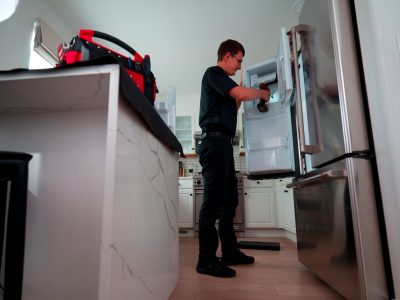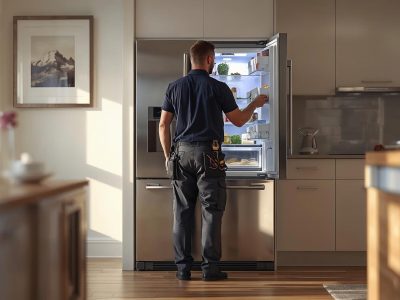


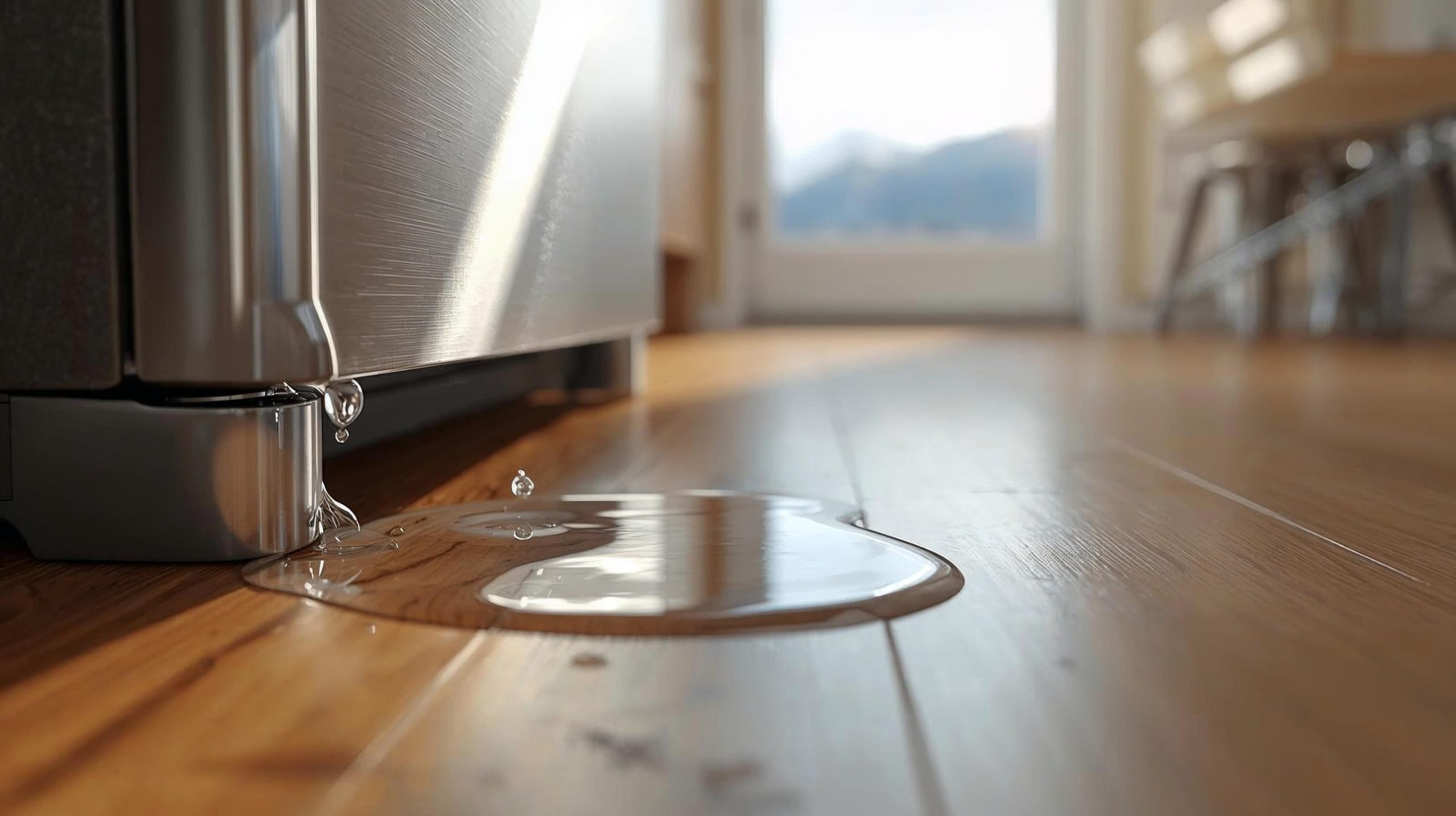
That puddle on the floor isn’t just a mess — it’s a sign something inside your appliance isn’t working properly. Want to know why it’s happening and how to prevent bigger problems?
Water Leaking From Freezer? Here’s What’s Really Happening Inside
When a freezer leaks water, it’s not just an inconvenience. It’s a sign that something inside the moisture management system is out of balance.
A freezer is designed to handle water constantly. Every automatic defrost cycle intentionally melts accumulated frost. That water is supposed to travel through a controlled path, collect safely, and evaporate.
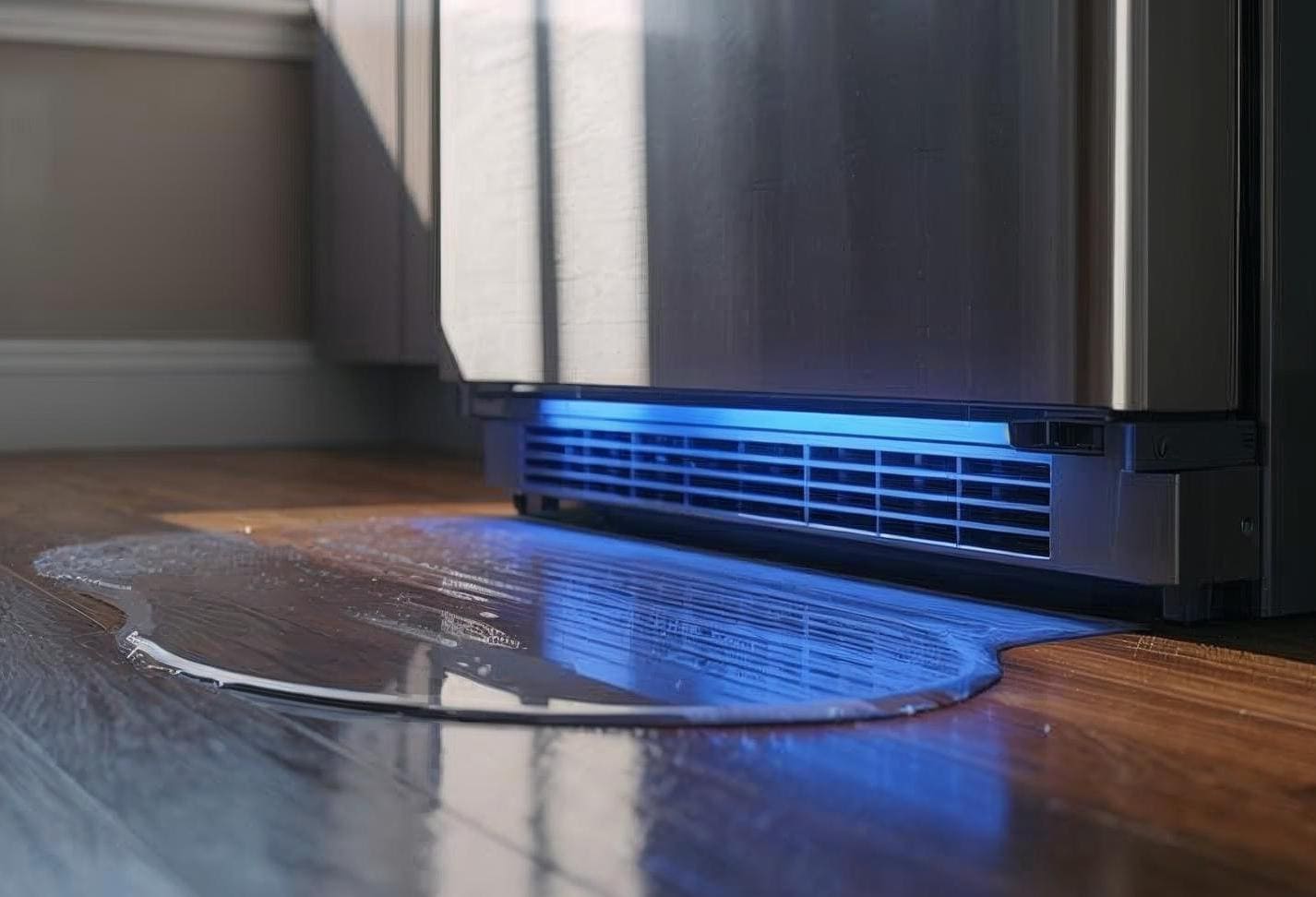
If you’re seeing water on the floor, pooling under drawers, or dripping from beneath the appliance, that pathway has been interrupted.
Let’s break down what that actually means.
A freezer is designed to handle water constantly. Every automatic defrost cycle intentionally melts accumulated frost. That water is supposed to travel through a controlled path, collect safely, and evaporate.
If you’re seeing water on the floor, pooling under drawers, or dripping from beneath the appliance, that pathway has been interrupted.
Let’s break down what that actually means.
Understanding Where the Water Comes From
Freezers do not “produce” water. They manage moisture.
Moisture enters the unit in small amounts every time the door opens. It freezes onto evaporator coils during cooling cycles. Later, during defrost, that frost melts into liquid and drains away.
A leak happens when:
• Ice forming beneath the lower drawer
• Water appearing only after defrost cycles
• Repeated puddles that return after cleanup
Clearing the visible ice rarely solves the underlying restriction deeper in the drain line.
Moisture enters the unit in small amounts every time the door opens. It freezes onto evaporator coils during cooling cycles. Later, during defrost, that frost melts into liquid and drains away.
A leak happens when:
• Ice forming beneath the lower drawer
• Water appearing only after defrost cycles
• Repeated puddles that return after cleanup
Clearing the visible ice rarely solves the underlying restriction deeper in the drain line.
Internal Drainage Disruption
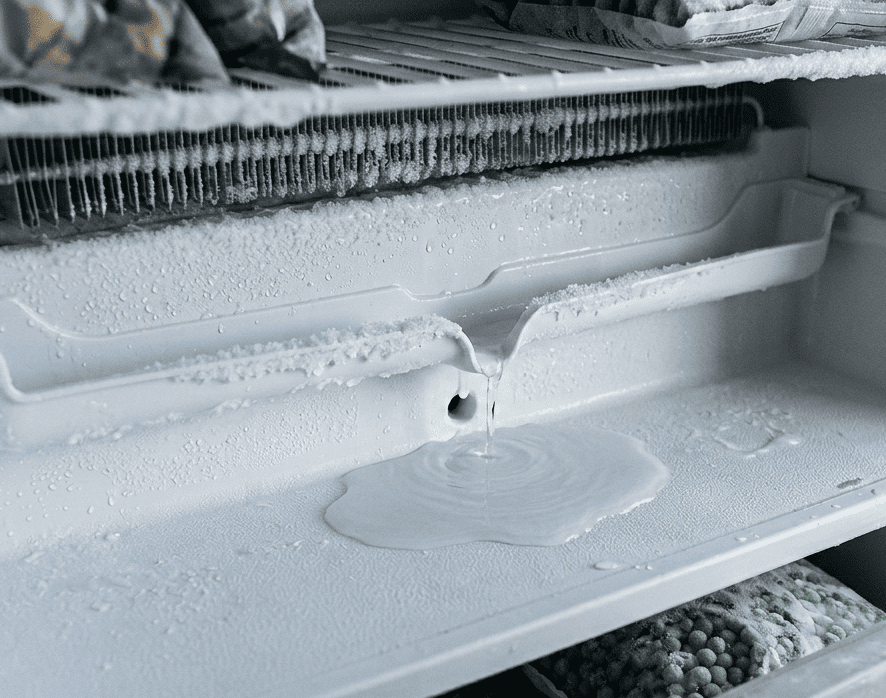
Inside the rear wall of most frost-free freezers is a hidden drainage channel. During defrost, water flows into that channel and down a narrow tube toward a pan near the compressor.
If this channel becomes restricted, even partially, water does not disappear as designed. It collects along the interior floor or refreezes into thick ice sheets.
Over time, the ice melts unevenly and escapes through door seams or underneath the appliance.
This type of leak often appears as:
• Ice forming beneath the lower drawer
• Water appearing only after defrost cycles
• Repeated puddles that return after cleanup
Clearing the visible ice rarely solves the underlying restriction deeper in the drain line.
If this channel becomes restricted, even partially, water does not disappear as designed. It collects along the interior floor or refreezes into thick ice sheets.
Over time, the ice melts unevenly and escapes through door seams or underneath the appliance.
This type of leak often appears as:
• Ice forming beneath the lower drawer
• Water appearing only after defrost cycles
• Repeated puddles that return after cleanup
Clearing the visible ice rarely solves the underlying restriction deeper in the drain line.
Air Infiltration and Condensation Overload
A freezer relies on stable internal air pressure. When door seals weaken or alignment shifts, warm air continuously enters the compartment.
That warm air carries humidity. Inside the freezer, humidity rapidly freezes. During defrost, the increased frost volume produces more water than the drainage system typically handles.
The result is overflow.
Unlike a blocked drain, this type of leak develops gradually. You may notice:
• Increased frost on food packaging
• Freezer running longer than usual
• Condensation around the door frame
• Water forming intermittently
This issue is often mistaken for a drainage clog when the real problem is air leakage.
That warm air carries humidity. Inside the freezer, humidity rapidly freezes. During defrost, the increased frost volume produces more water than the drainage system typically handles.
The result is overflow.
Unlike a blocked drain, this type of leak develops gradually. You may notice:
• Increased frost on food packaging
• Freezer running longer than usual
• Condensation around the door frame
• Water forming intermittently
This issue is often mistaken for a drainage clog when the real problem is air leakage.
Temperature Instability and Partial Thaw Cycles
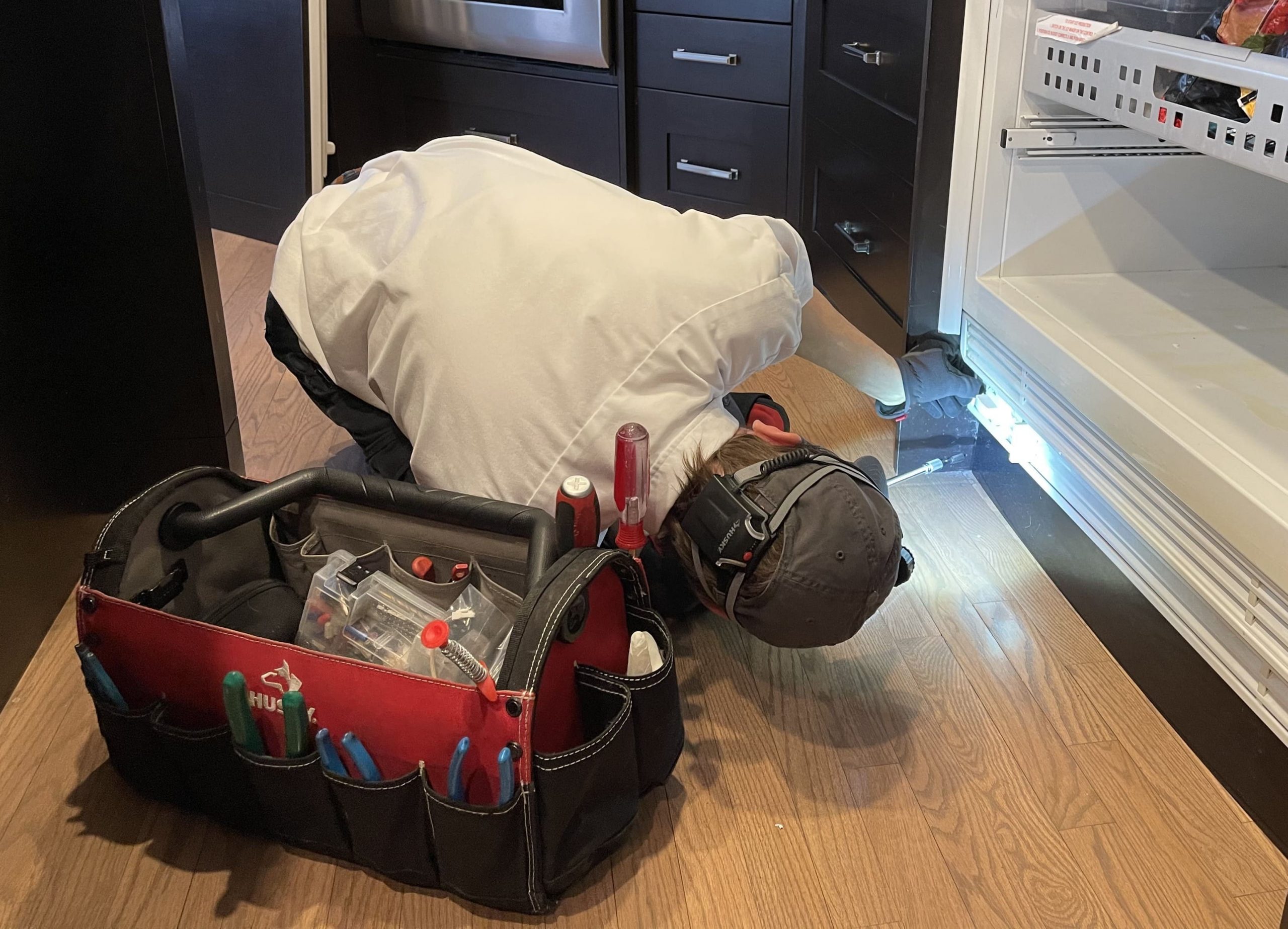
If internal temperature fluctuates due to a failing thermostat, sensor, or control board, the freezer may enter partial thaw cycles unintentionally.
Instead of controlled defrost periods, you get inconsistent melting. That creates unpredictable water movement inside the unit.
Signs of this pattern include:
• Ice cream softening slightly then refreezing
• Water droplets forming along interior walls
• Moisture appearing without heavy frost buildup
This is not a drainage failure. It is a control regulation issue.
Instead of controlled defrost periods, you get inconsistent melting. That creates unpredictable water movement inside the unit.
Signs of this pattern include:
• Ice cream softening slightly then refreezing
• Water droplets forming along interior walls
• Moisture appearing without heavy frost buildup
This is not a drainage failure. It is a control regulation issue.
External Environmental Factors
Freezers installed in garages, basements, or areas with high humidity are more vulnerable to leaks.
Extreme surrounding temperatures can disrupt:
• Evaporation speed in the drain pan
• Internal pressure balance
• Defrost timing
In colder garages, drain lines may refreeze before water reaches the collection pan. In humid climates, excess condensation overwhelms normal defrost cycles.
The leak you see on the floor may actually be the symptom of environmental stress rather than internal component failure.
Extreme surrounding temperatures can disrupt:
• Evaporation speed in the drain pan
• Internal pressure balance
• Defrost timing
In colder garages, drain lines may refreeze before water reaches the collection pan. In humid climates, excess condensation overwhelms normal defrost cycles.
The leak you see on the floor may actually be the symptom of environmental stress rather than internal component failure.
Drain Pan Evaporation Failure
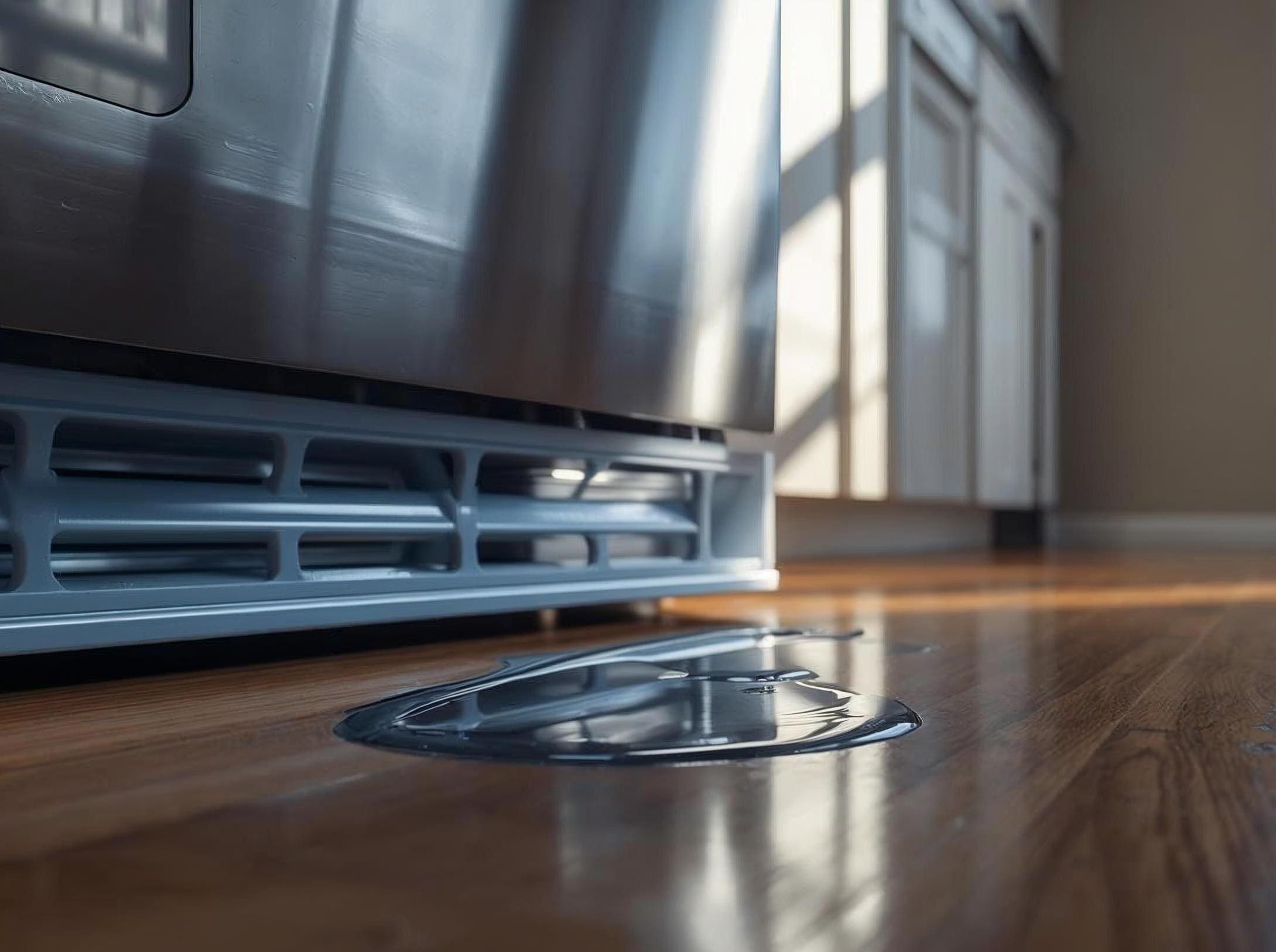
Beneath most freezers sits a shallow pan designed to hold defrost water temporarily. Heat from the compressor naturally evaporates this water.
If the compressor runs less frequently or the airflow beneath the unit is restricted by dust buildup, evaporation slows.
When evaporation can’t keep up, the pan fills and spills.
This leak typically appears behind or directly under the appliance rather than inside the freezer compartment.
If the compressor runs less frequently or the airflow beneath the unit is restricted by dust buildup, evaporation slows.
When evaporation can’t keep up, the pan fills and spills.
This leak typically appears behind or directly under the appliance rather than inside the freezer compartment.
When the Leak Signals a Bigger Cooling Problem
While many leaks are moisture-management issues, some indicate a cooling system imbalance.
If the freezer struggles to maintain a consistent temperature, excessive frost and heavy defrost cycles can produce water beyond normal design limits.
Persistent water combined with:
• Rising freezer temperatures
• Continuous compressor operation
• Uneven cooling
may require deeper mechanical diagnosis.
If the freezer struggles to maintain a consistent temperature, excessive frost and heavy defrost cycles can produce water beyond normal design limits.
Persistent water combined with:
• Rising freezer temperatures
• Continuous compressor operation
• Uneven cooling
may require deeper mechanical diagnosis.
When Professional Service Is the Smart Move
If water continues to reappear after basic adjustments, the issue likely involves:
Internal drain obstruction
Defrost system malfunction
Sensor or control irregularity
Hidden ice formation
Evaporation failure
The Bottom Line
Water leaking from a freezer is not random. It’s the result of disrupted moisture flow, airflow imbalance, or temperature instability.
The water you see on the floor is simply the final stage of a problem that began inside the system.
Identifying the true source requires understanding how defrost, drainage, airflow, and environmental factors interact.
If your freezer continues leaking, professional repair ensures the issue is corrected at its source, not just cleaned up on the surface.
The water you see on the floor is simply the final stage of a problem that began inside the system.
Identifying the true source requires understanding how defrost, drainage, airflow, and environmental factors interact.
If your freezer continues leaking, professional repair ensures the issue is corrected at its source, not just cleaned up on the surface.