

When your heating or cooling system starts acting up, it can feel like a puzzle: “Do I patch it up again, or is it time for something new?” Choosing between repairing and replacing isn’t just about cost. It’s about comfort, reliability, energy use, and long-term peace of mind. Let’s walk through how to make that call with confidence.
Why This Decision Matters
First Check: How Old Is the System?
Age is one of the biggest clues about what to do next:
• Most air conditioners and heat pumps perform well for about 10 to 15 years.
If your unit is creeping toward the end of its expected lifespan, even a successful repair might be a short-term fix rather than a long-term solution. Older systems also tend to be less energy-efficient than newer models.
Repair When It Makes Sense
There are times when fixing your HVAC is the sensible choice:
The issue is minor
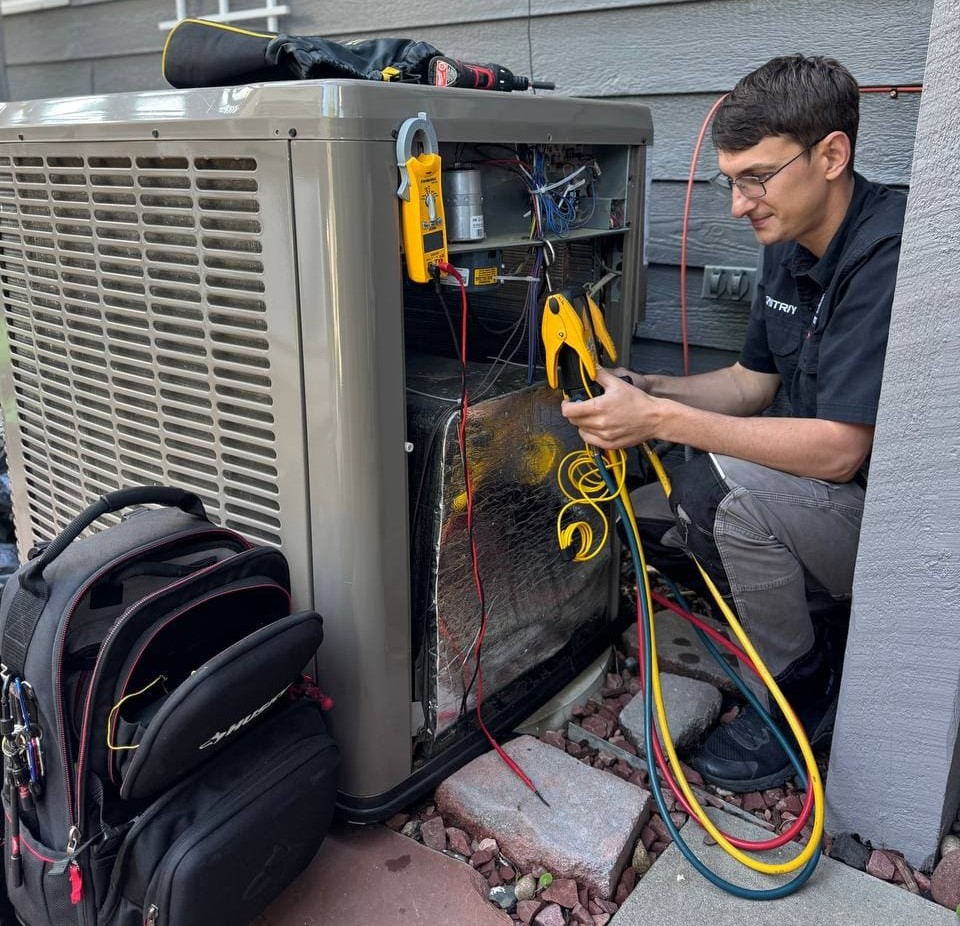
Small problems like a thermostat malfunction, clogged filters, or a broken fan are usually quick and inexpensive to fix.
Your unit isn’t old
If your system is under about 10 years old, it may still have plenty of life left. Repairs now could buy you several more years of reliable service.
You’ve kept up with maintenance
Regular check-ups and tune-ups help keep systems running efficiently, which can make repairs more worthwhile.
Replace When It’s the Better Investment
Sometimes, installing a new HVAC system is actually the smarter financial decision:
1. Frequent Breakdowns
If you’re calling for service often, those repair costs add up quickly. Multiple fixes in a short time could mean the system is worn out rather than just unlucky.
2. Repair Costs Are High
A common rule of thumb is the “50% rule”: if a single repair costs more than half the price of a new system, replacement is often a better choice.
3. Your Energy Bills Are Rising
Older systems lose efficiency with age, which means they work harder to heat or cool your home, leading to higher utility bills than a modern system would produce.
4. Comfort Issues
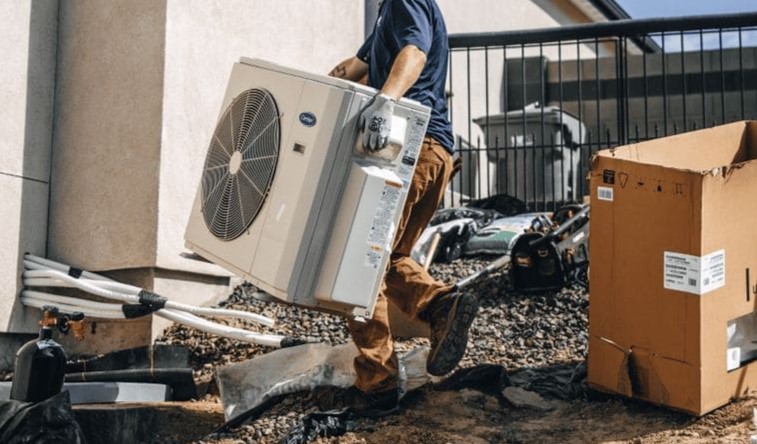
If your home has uneven temperatures, weak airflow, or excess humidity, your current system might lack the power and technology to keep up — and a replacement could dramatically improve comfort.
Modern Systems Come with Added Benefits
Quick Decision Checklist

Repair might be right if:
Replace might be right if:
Final Thought: Ask an Expert