

Fast Emergency HVAC Service in Denver

1 year Guarantee
on Parts

Same-Day When Available

Family Owned
TopServ Appliance & HVAC provides during regular service hours emergency HVAC service across Denver and the surrounding metro area. Our experienced technicians are dispatched the same day, equipped with parts for the most common emergency repairs, and prepared to restore your system correctly — not just get it running long enough to buy time.
When you call, you speak to a real person. When we say same-day, we mean today.

TopServ Appliance & HVAC provides during regular service hours emergency HVAC service across Denver and the surrounding metro area. Our experienced technicians are dispatched the same day, equipped with parts for the most common emergency repairs, and prepared to restore your system correctly — not just get it running long enough to buy time.
When you call, you speak to a real person. When we say same-day, we mean today.
1 year Guarantee
on Parts
Same-Day When Available
Family Owned





Why Choose TopServ Appliance & HVAC ?


fast response

no hidden fees

all major appliance types

standard brands

applicable manufacturer parts warranty
FREE
Service Call With Repair
Honest Prices, Outstanding Results
Promotion For New Customers

What Denver Homeowners Say About Our HVAC Service
Dimitri and team are outstanding in taking care my appliance. They were prompt, professional, diagnosed the problem quickly and provided the fix in one service call. I was impressed as they communicated all of the steps they performed as they were troubleshooting the problem. I was certain I was going to need a new appliance, but within a short amount of time I was back working again. I will use this TopServ Appliance and HVAC for all of my future needs.
Top notch service. Diagnosed our issue promptly. Vlad, our technician, was super friendly and helpful. Would definitely recommend 👍
Your technician was excellent the diagnostic and fixing the problem. The previous company that was here, stop One, did not know what they are doing. Highly recommend your services.
Situations that require immediate service — call now:
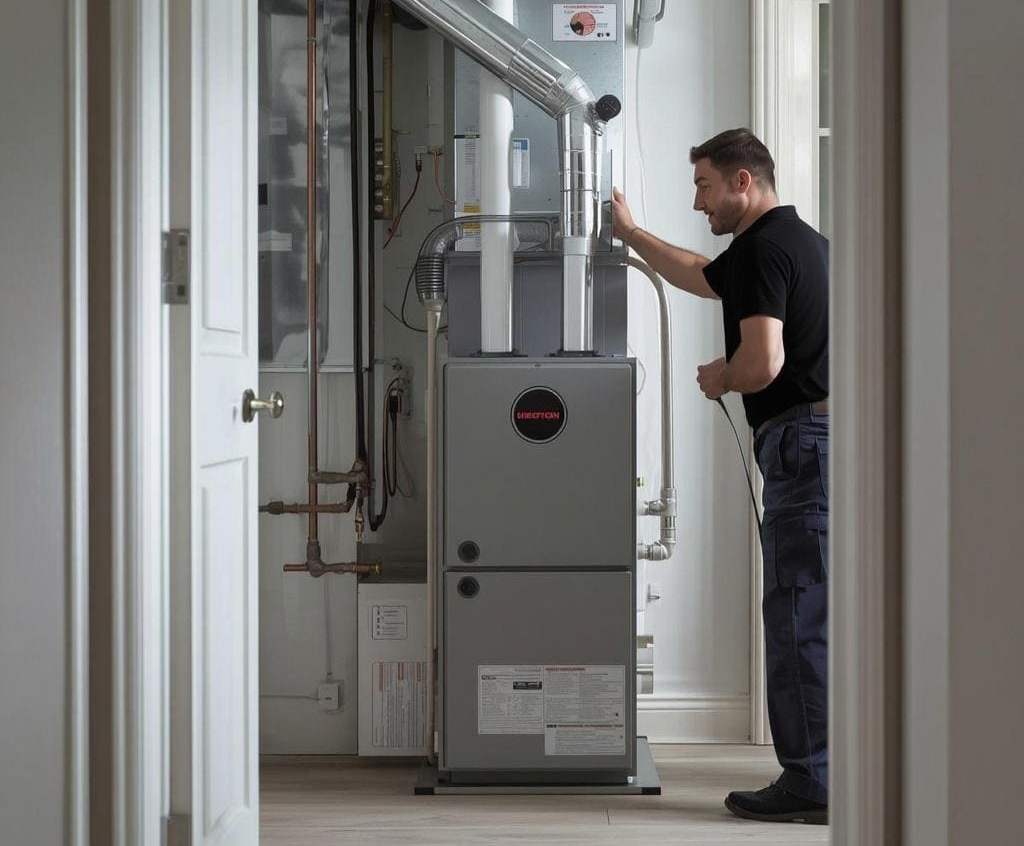
Furnace failure during freezing temperatures
Below 55°F inside a home in Denver winter, pipes can freeze within hours — depending on insulation, home construction, and whether the temperature outside is single digits or below zero. If your furnace has stopped and outdoor temperatures are below 20°F, this is an emergency. Don't wait. While you wait for a technician: open cabinet doors under sinks to allow warmer air to reach pipes, let faucets drip slightly on exterior walls, and identify where your main water shutoff is in case a pipe does freeze.
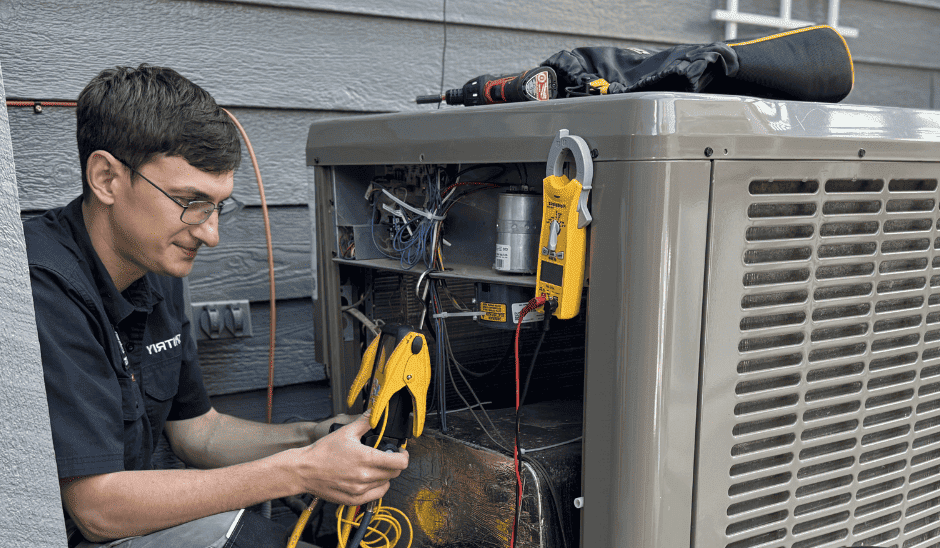
Burning smell from the HVAC system
A burning smell from your vents — particularly one that smells like melting plastic, hot metal, or electrical insulation — indicates an overheating component. This can be a failing blower motor, a cracked heat exchanger running too hot, or an electrical fault in the wiring or control board. Turn the system off at the thermostat and call immediately. Don't restart it until it's been inspected. Note: a brief burning smell on the first run of the heating season — lasting less than 30 seconds — is normal. It's dust burning off the heat exchanger. If it persists beyond that, treat it as an emergency.
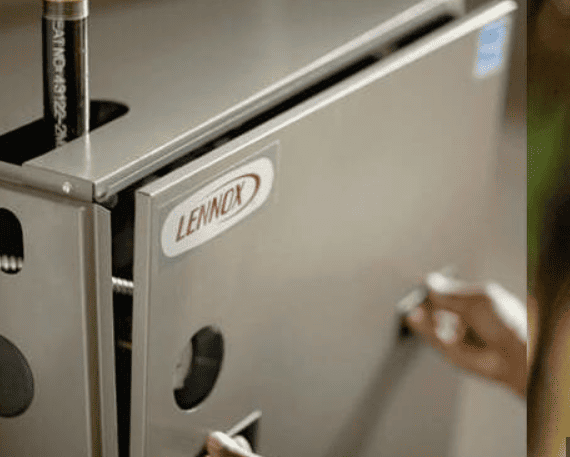
Gas smell near heating equipment
Natural gas has a distinctive sulfur smell added specifically so you can detect leaks. If you smell gas near your furnace, water heater, or any gas appliance: do not operate any electrical switches, do not use your phone inside the house, leave the building immediately, and call your gas utility company from outside. Once the utility has confirmed the space is safe, call us to diagnose and repair the source before restoring heat.
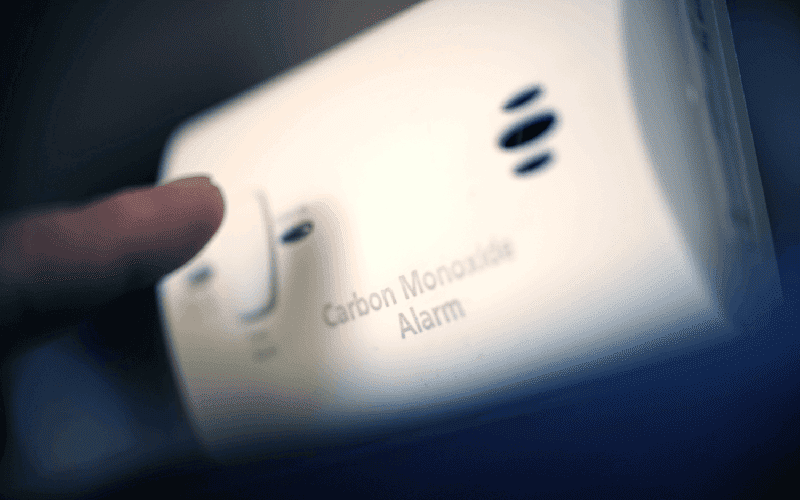
Carbon monoxide alarm triggered near HVAC equipment
Evacuate immediately. CO has no smell. If your detector has alarmed, treat it as a real event — not a false alarm. Call 911 first, then call us once emergency services have cleared the space. A triggered CO detector in proximity to a furnace or heat exchanger almost always warrants a heat exchanger inspection before the system is returned to service.
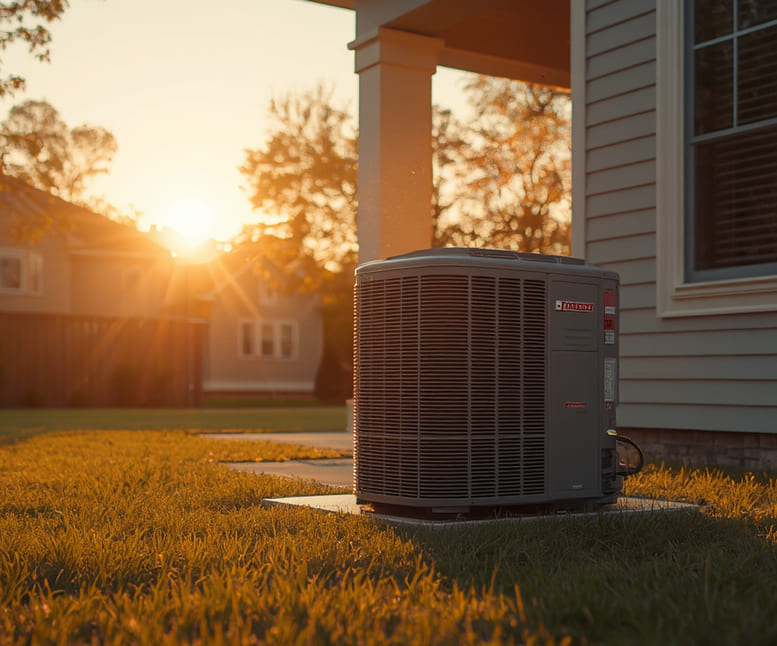
Complete AC failure during a heat advisory or extreme heat
Denver's heat events are genuinely dangerous for elderly residents, young children, and anyone with cardiovascular or respiratory conditions. Indoor temperatures in an unconditioned home can exceed 90°F within hours in a Denver summer heat event. If vulnerable household members are present, this is a medical risk situation — not just a comfort issue.
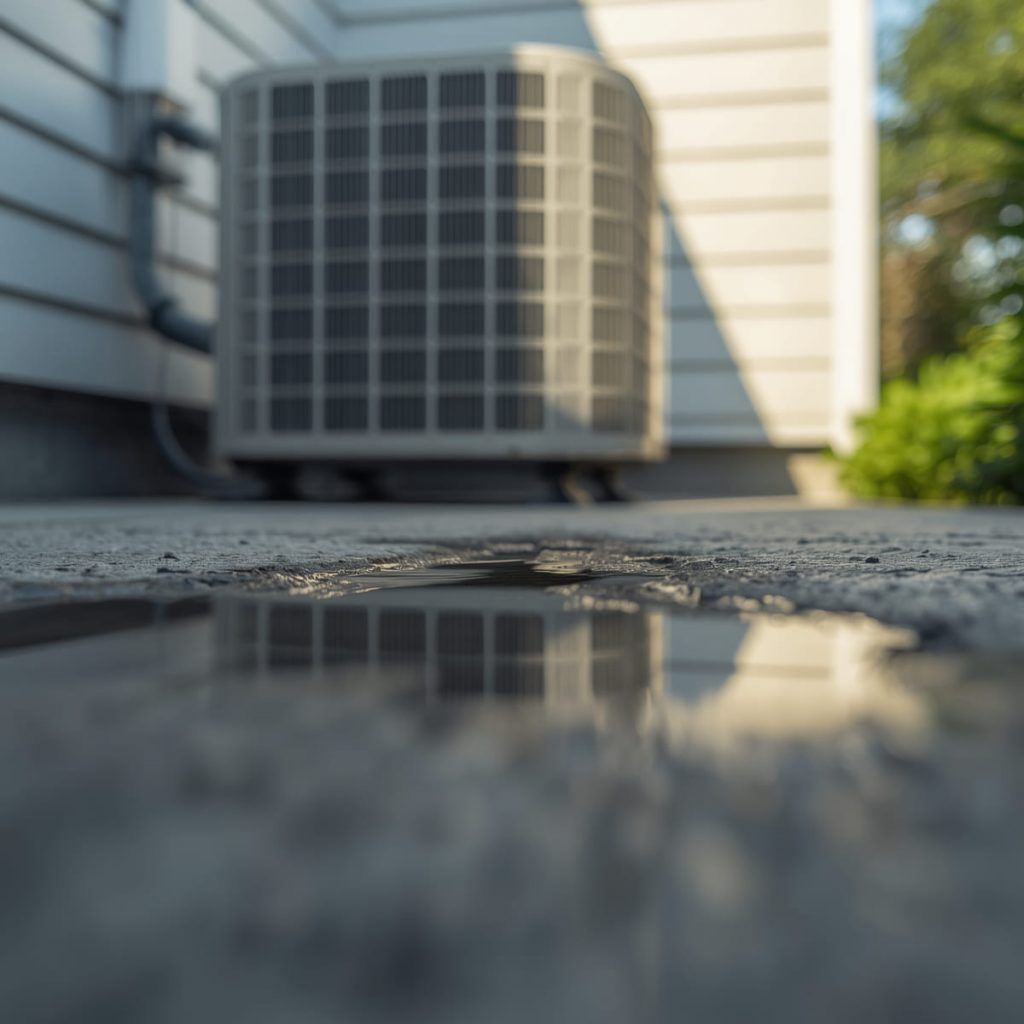
Water actively leaking from the HVAC system onto floors or near electrical components
Water and electricity in proximity is a hazard. Water leaking toward an air handler's electrical connections, into a finished basement, or pooling near other equipment requires immediate attention.
Situations that are serious but can wait a few hours:
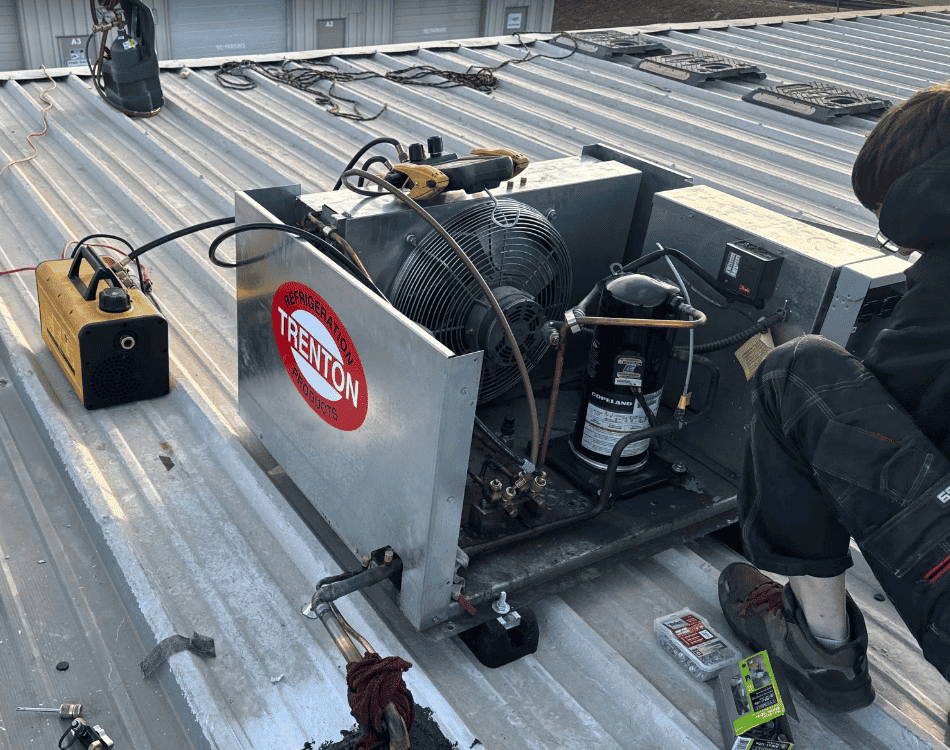
Situations that can wait for a regular appointment:
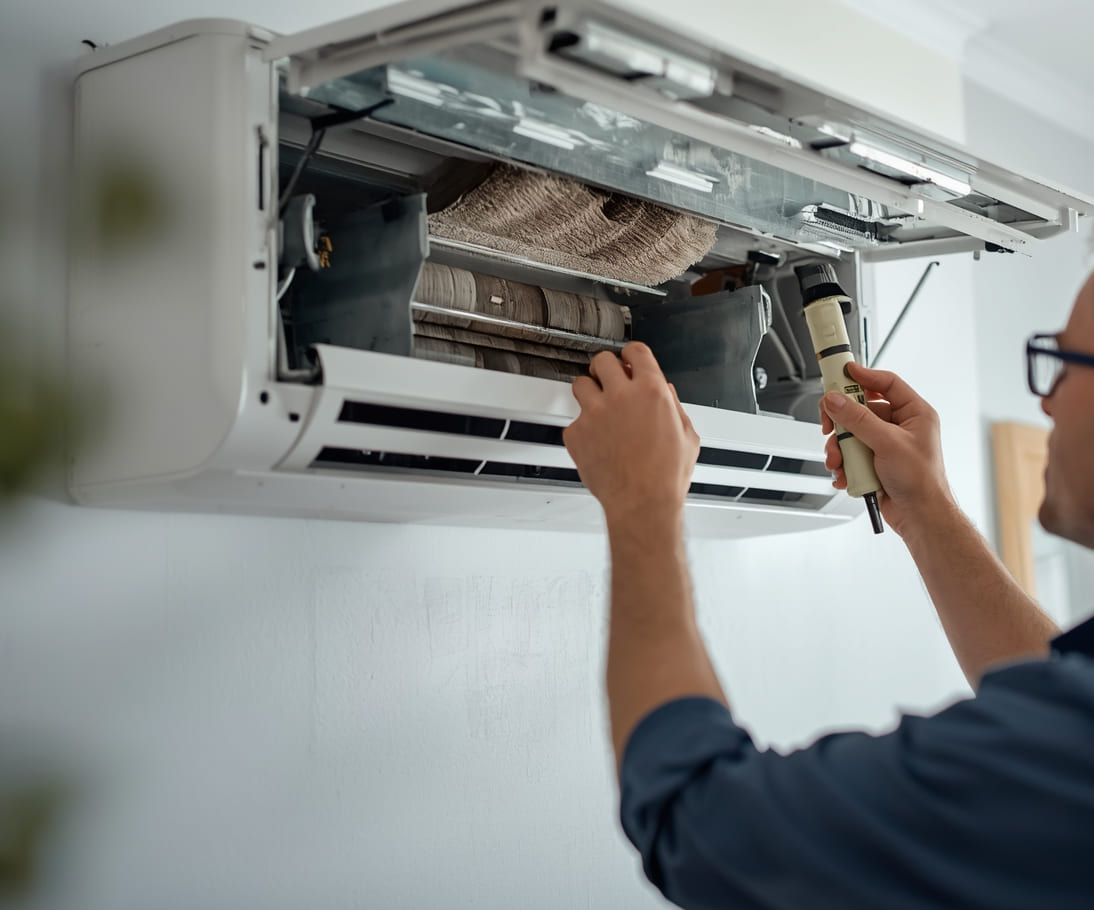
Not sure if it’s an emergency?
We’ll ask the right questions and tell you honestly how quickly you need service.
Emergency HVAC Problems We Fix Every Day:
Furnace Won’t Turn On
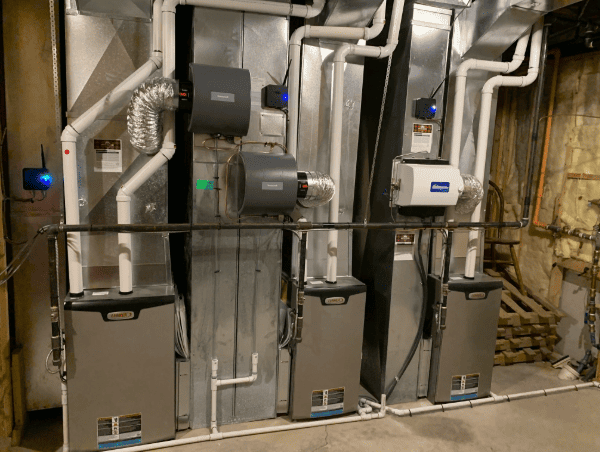
Common causes: A failed electronic igniter is the most frequent culprit — it’s responsible for lighting the gas burner, and when it fails, the control board detects no ignition and locks the system out after a few attempts. Other causes include a tripped high-limit switch (usually from airflow restriction), a blown control board fuse, a failed inducer motor that’s required to start before the burner fires, or a flame sensor coated with carbon that can’t confirm ignition.
Why it matters now: A furnace that won’t start on a cold Denver night isn’t something to diagnose slowly. The home cools faster than most people expect — particularly in older, less-insulated Denver homes where the building envelope is drafty.
Before we arrive: Check that the thermostat is set to Heat, the temperature is set above the current room temperature, and the furnace switch (usually on the side of the unit) is in the On position. Check your circuit breaker panel for a tripped breaker labeled Furnace or Air Handler.
AC Blowing Warm Air
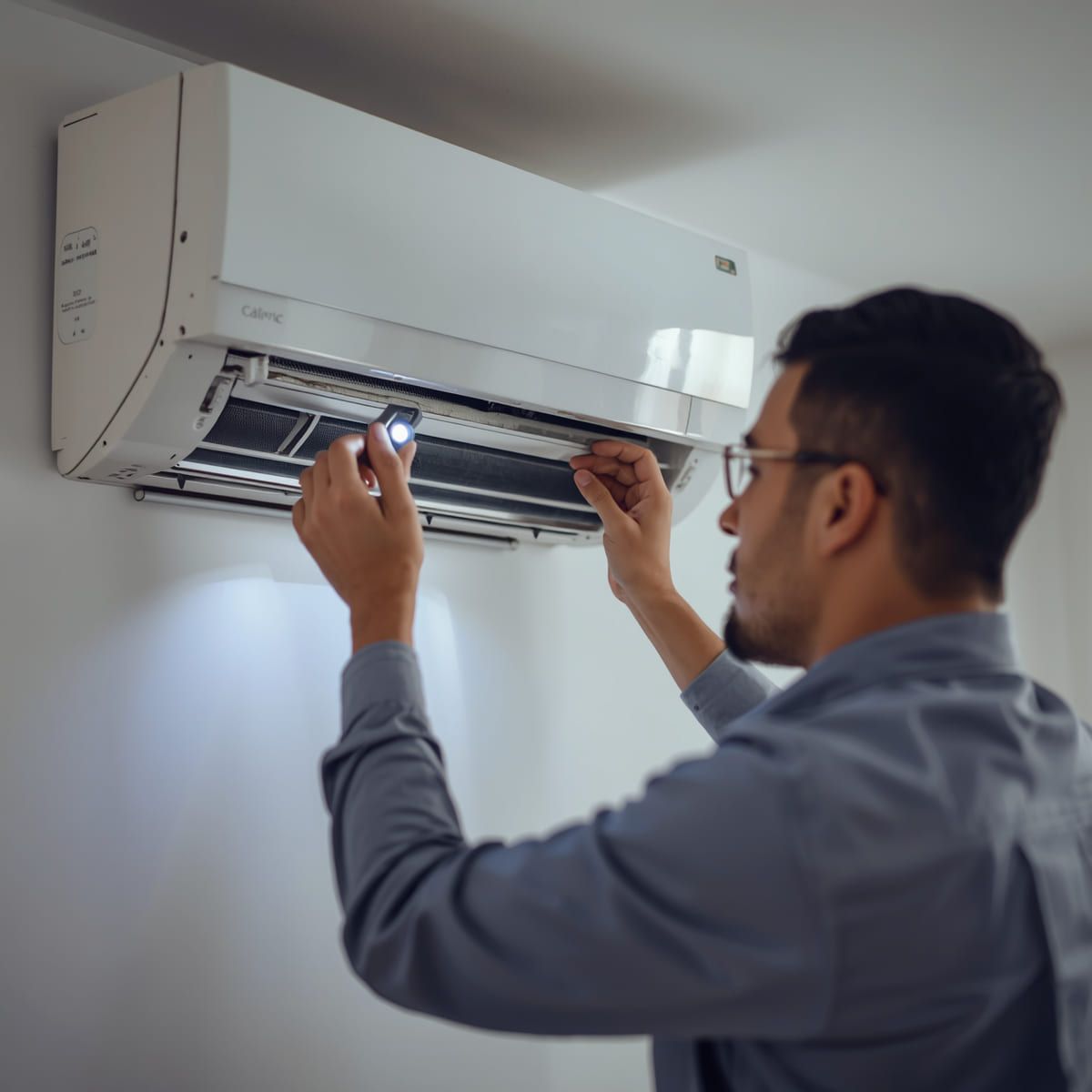
Common causes: A failed capacitor is the single most common cause of warm air output in Denver — particularly at the start of cooling season when capacitors that weakened over winter are stressed by the first hot-weather demand. A capacitor failure prevents the compressor from starting; the fan may still run while the compressor doesn’t, circulating unconditioned air. Other causes include a refrigerant leak (gradual loss of cooling capacity), a dirty condenser coil (very common in Denver’s dusty conditions), or a failed contactor.
Why it matters now: A capacitor replacement is typically a 20-minute repair when a technician is on site with the correct part. Left unaddressed, a compressor attempting to start without capacitor support can overheat and fail — turning a $90 part into a $1,500+ compressor replacement.
HVAC System Won’t Start at All
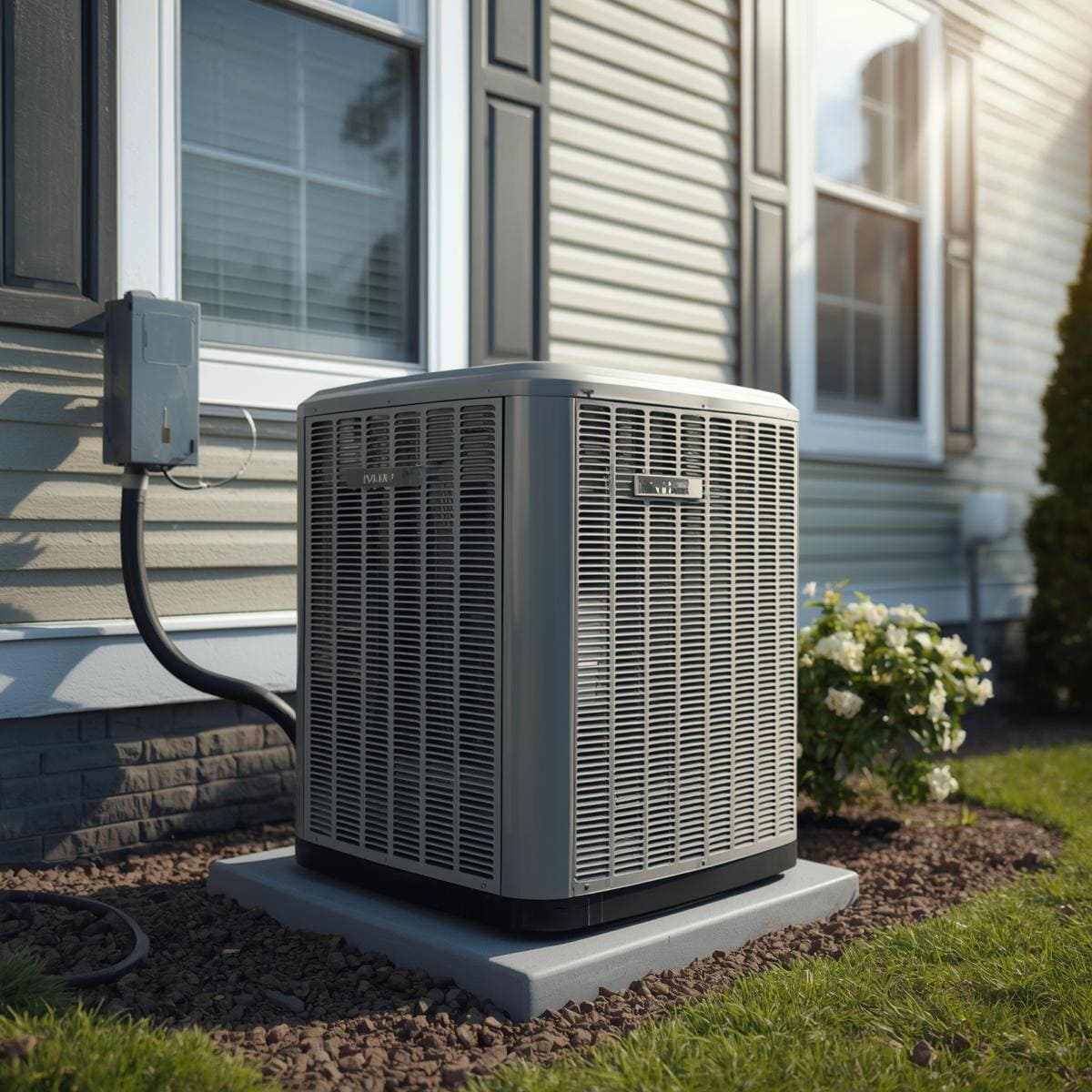
Common causes: Power supply issues first — a tripped breaker, a blown fuse on the air handler or furnace control board, or a tripped float switch in the condensate pan (the system shuts off when the pan fills, as a flood protection measure). If power is confirmed and the system still doesn’t respond, the control board or thermostat has likely failed.
Before we arrive: Reset the circuit breaker if it’s tripped. Check the condensate pan on your air handler — if it has visible standing water, the float switch may have activated. Carefully remove the water with a wet/dry vacuum if you have one.
Frozen Evaporator Coil
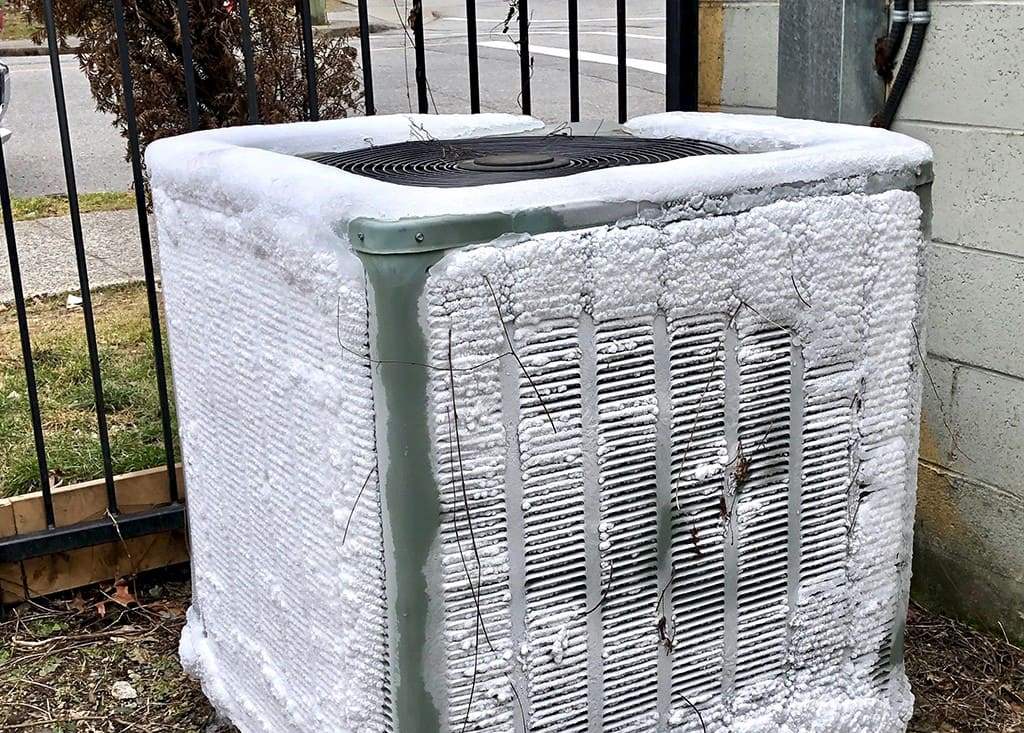
Common causes: Denver’s dry air makes this seem counterintuitive, but frozen coils are common here. The most frequent cause is restricted airflow — a clogged air filter reduces airflow across the coil, causing the refrigerant to get too cold and freeze the moisture it contacts. A low refrigerant charge has the same effect. A failing blower motor that’s not moving adequate air is another cause.
What to do before we arrive: Turn the system to Fan Only mode (not Off, not Cool) at the thermostat. This runs the blower without the cooling cycle, which defrosts the coil without causing water damage from rapid thawing. Do not chip at the ice. Once the coil has fully defrosted (usually 1–4 hours), we can properly diagnose the underlying cause.
Electrical Problems
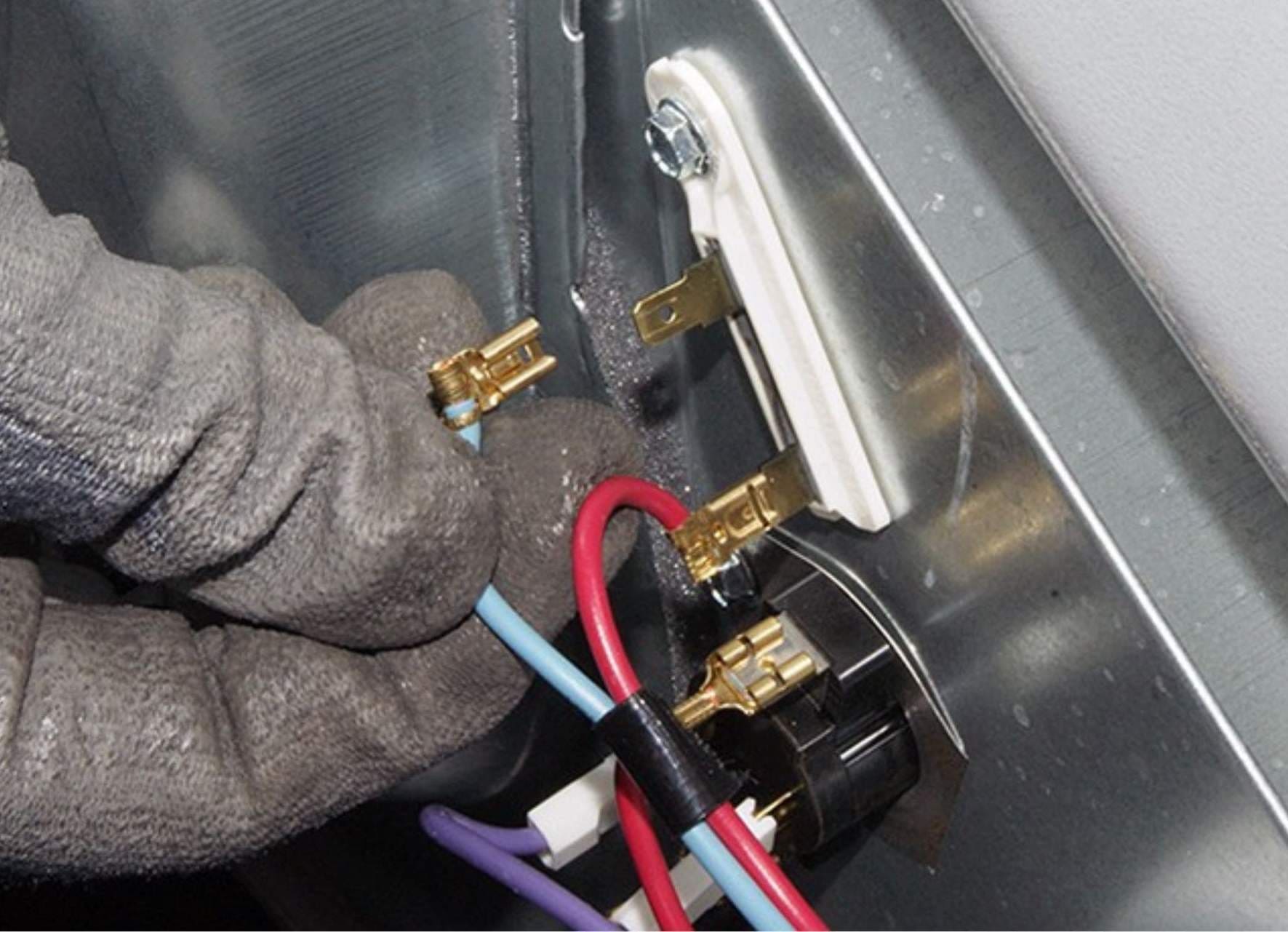
Common causes: A failing compressor drawing excessive amperage causes breaker trips. Loose electrical connections — which can develop over years of thermal cycling — create resistance and heat. A failing contactor that’s not making clean contact creates arcing. Wiring insulation that’s deteriorated over years in an attic or crawlspace can develop shorts.
What to do: If a breaker is tripping repeatedly, do not keep resetting it. A breaker that trips is performing its designed safety function. Bypassing this signal can result in an electrical fire. Call us and stop resetting the breaker.
Emergency HVAC Services We Provide
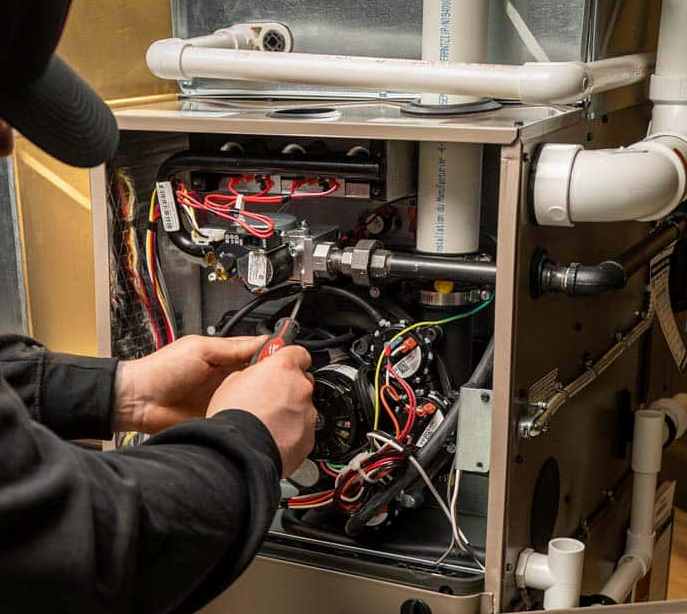
Emergency Furnace Repair
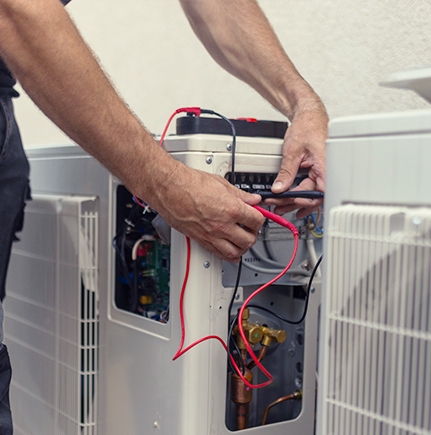
A furnace failure during a Denver winter is the most time-sensitive HVAC emergency we handle. We diagnose and repair all furnace types — standard efficiency, high-efficiency condensing, two-stage, and variable-capacity — across all major brands. Our technicians carry the most commonly failed furnace components: igniters, flame sensors, inducer motors, capacitors, control boards, and gas valve components. Most furnace emergency repairs are completed the same visit.
Emergency AC Repair
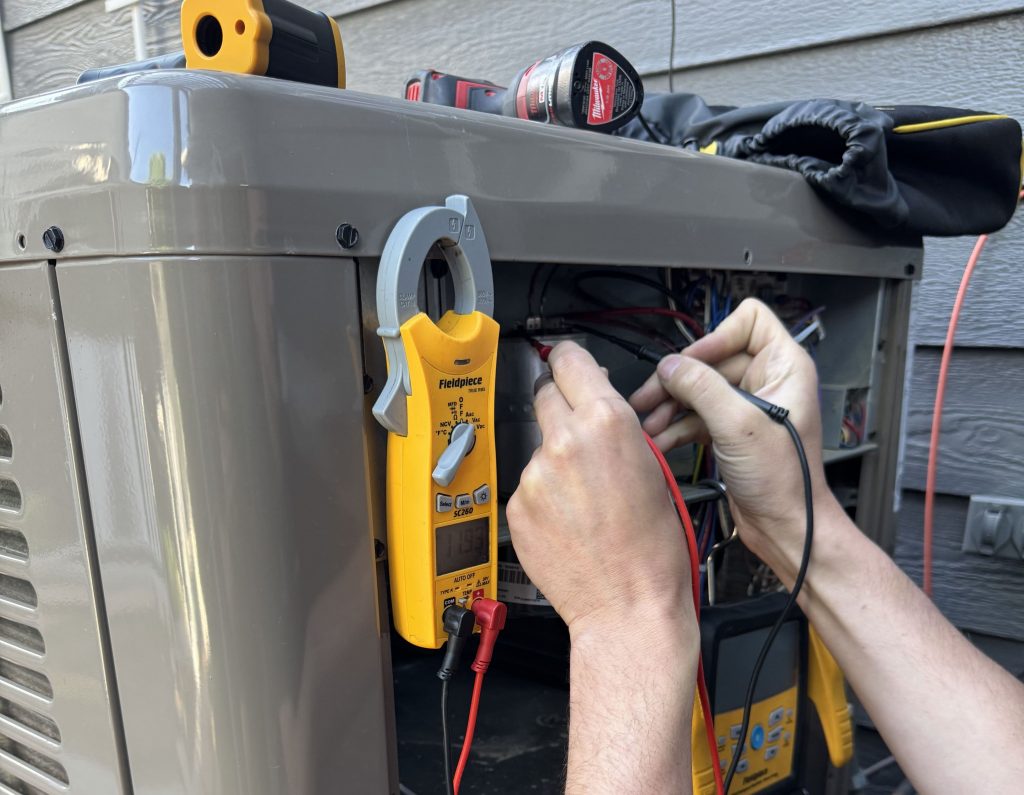
Central air conditioning failure during a Denver heat event ranges from deeply uncomfortable to medically serious, depending on the household. We repair all split-system central AC configurations — diagnosing compressor faults, capacitor failures, refrigerant issues, coil problems, and control system faults. Our vehicles carry capacitors and contactors in the sizes used by all major AC brands — the two most common emergency repair parts — allowing same-visit completion on the majority of emergency AC calls.
Emergency Heat Pump Repair
Heat pumps fail in ways that are specific to their dual-mode operation — a reversing valve fault that leaves the system stuck in one mode, a defrost control failure that causes icing in heating mode, or a refrigerant issue that affects both heating and cooling capacity. Our technicians diagnose heat pump systems in both operating modes and identify whether the fault is in the refrigerant circuit, the electrical system, or the reversing valve assembly.
Emergency Boiler Repair
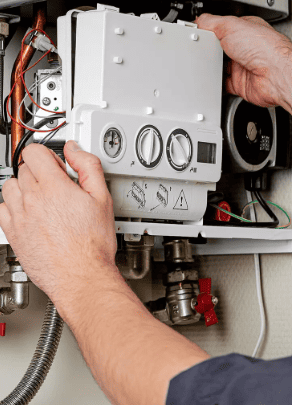
Hydronic boiler systems in Denver homes fail in specific ways during cold weather — pressure loss from a leaking expansion tank, a failed circulator pump that leaves the heating circuit without flow, or a heat exchanger issue. We repair residential boilers on emergency calls, diagnose pressure and flow issues, and restore hydronic heating systems to correct operation.
Emergency Thermostat Repair and Replacement
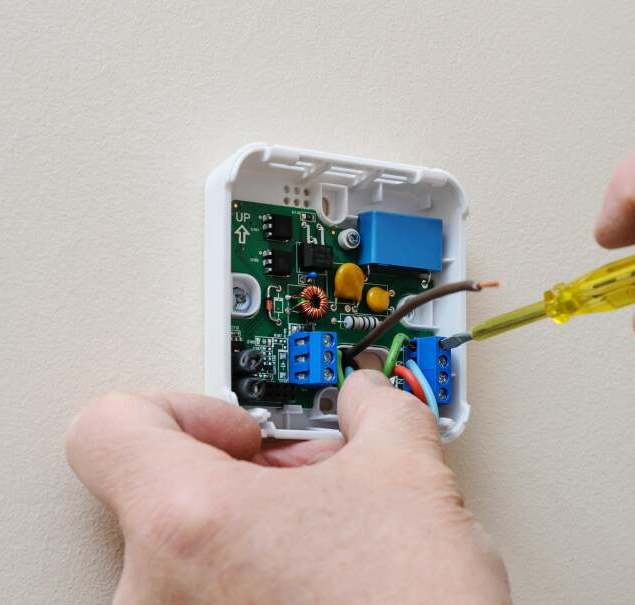
A thermostat failure can make an otherwise functional HVAC system completely non-operational. We diagnose thermostat faults — distinguishing between thermostat failure and system failure — and replace units on-site when needed, including smart thermostat installation with correct system configuration.

Commercial Emergency HVAC Repair
A commercial HVAC failure affects operations, staff comfort, and in some cases — restaurants, medical offices, data rooms — creates immediate compliance or operational risks. We provide emergency HVAC repair for light commercial properties across the Denver metro area, including packaged rooftop units, split commercial systems, and multi-zone equipment.
Broken Appliance? We Can Help!
Common HVAC Emergencies We See in Denver
Denver creates HVAC failures that technicians in other parts of the country don’t see on the same schedule or in the same patterns.
Furnace failures during late-season cold snaps
Denver’s weather can drop 40 degrees in 24 hours in October and November — before most homeowners have scheduled their pre-season furnace maintenance. A furnace that sat idle for six months starts the season with a dust-coated flame sensor, a weakened igniter, and a blower capacitor that’s been cycling through Denver’s summer attic heat for months. The first real demand of the season is often when the failure reveals itself — at 11 PM when temperatures are falling.
Capacitor failures on the first hot day of summer
Denver commonly sees its first 90°F+ day before Memorial Day. An AC capacitor that weakened over the previous cooling season — but held on because demand was never sustained — fails the first time the system runs for hours on end. We respond to a significant wave of capacitor failure calls in late May and early June every year.
Coil icing from dry air and high demand
Denver’s low relative humidity affects evaporator coil operation during high-demand cooling periods. When airflow restriction (from a dirty filter) meets an extended cooling run in dry conditions, the coil temperature can drop below freezing faster than it would in a more humid climate. We see coil icing in Denver homes far more frequently than the national average.
Condenser coil failures from dust and UV
Denver receives more annual sun than Miami. UV exposure and the city’s fine particulate dust — elevated during dry summers and wildfire smoke events — accumulate on condenser coils faster than manufacturers’ maintenance schedules anticipate. A coil that’s never been cleaned in a Denver home has typically lost 10–20% of its heat transfer efficiency after 3–5 seasons.
Post-power-outage control board faults
Colorado’s electrical grid experiences more weather-related power fluctuations than the national average — particularly during summer thunderstorm season. Voltage spikes during power restoration can damage HVAC control boards and thermostat electronics. We see a consistent pattern of post-storm HVAC calls where the mechanical system is intact but the electronics have been compromised.
Frozen outdoor heat pump units during February cold events
Denver’s occasional late-winter arctic intrusions — when temperatures drop to -10°F to -15°F and stay there for 24–48 hours — can overwhelm heat pump defrost controls that weren’t designed for sustained operation at those temperatures. Heat pumps ice up when the defrost cycle can’t keep pace with frost accumulation. We handle these calls every year during Denver’s coldest stretches.
How Our Emergency HVAC Service Works
Call Us
A real person answers. Tell us what your system is doing, what type of equipment you have, and your address. We’ll ask a few questions that help us determine dispatch priority and ensure the technician arrives with the right parts.
Emergency Dispatch
We dispatch the nearest available experienced technician to your location. We’ll give you a realistic arrival window — not a vague promise. We communicate if anything changes.
On-Site Diagnosis
The technician performs a systematic diagnosis — not a guess. We test electrical components, check refrigerant pressure (for AC and heat pump calls), inspect combustion and ignition systems (for furnace calls), and trace fault codes to their specific source. This takes 20 to 45 minutes depending on the fault complexity.
Upfront Estimate
We explain what failed, why, and what fixing it requires. You receive a firm, all-in price before any repair begins. Emergency service does carry a higher call rate than a standard scheduled appointment — we’re transparent about that upfront. No surprises on the invoice.
Repair
We complete the repair using quality parts from our stocked vehicle. Most emergency repairs are completed the same visit. If a specific component needs to be sourced, we’ll tell you the timeline and discuss interim options where possible.
System Testing
We run the full system through an operational test before leaving — confirming correct function in heating or cooling mode as appropriate. We don’t leave until we’ve confirmed the system is working correctly and safely.
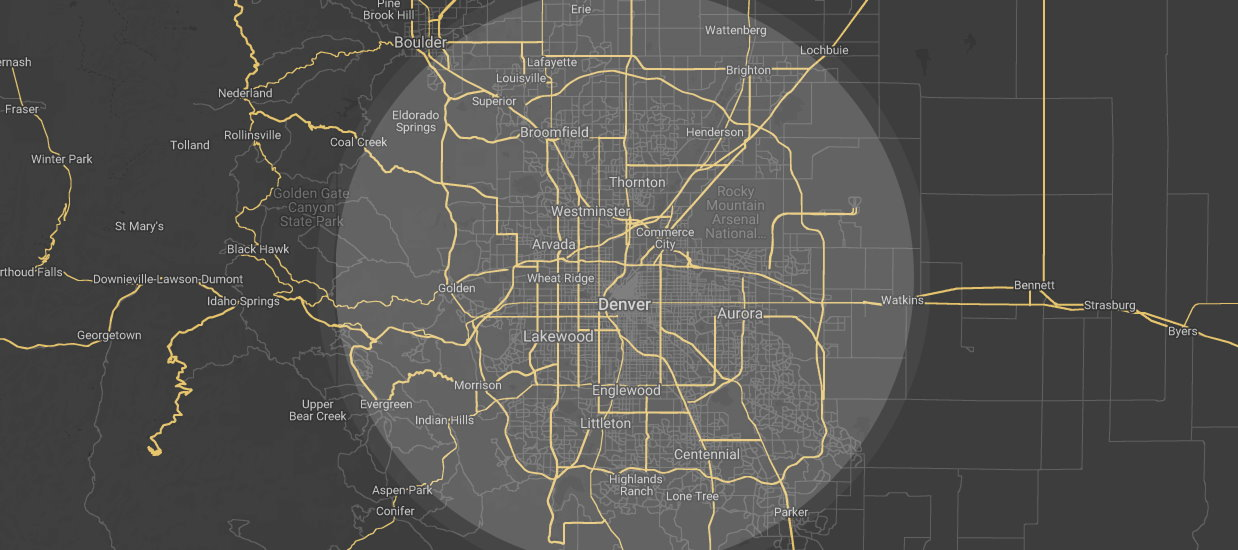
Emergency HVAC Service Areas in Denver
Frequently Asked Questions — Emergency HVAC Service Denver
Emergency HVAC Repair
in Denver — Call Now
TopServ Appliance & HVAC provides emergency HVAC service across the Denver metro area — same day, properly diagnosed, correctly repaired, and backed by a warranty.
We carry the parts needed for the most common emergency repairs. We tell you exactly what it costs before we start. And we don’t leave until the system is working.
Denver’s climate doesn’t give you many comfortable hours when heating or cooling fails.
Call us now.