


If you moved to Denver from somewhere with a milder climate, you already know Colorado doesn’t do anything halfway.
Winters that drop below zero. Summers that push past 95°F. Air so dry your skin cracks in November. Water so hard it leaves white rings on everything it touches. And altitude that changes how combustion-based appliances burn, how refrigerant systems pressurize, and how motors handle workload.
Denver is a genuinely unusual environment for home appliances. Most appliances are designed and tested for average conditions — not for 300 days of sunshine, 14% relative humidity, or water with calcium carbonate levels that are among the highest in the country.
The result: appliances in Denver homes wear differently, fail differently, and require maintenance that homeowners from other states often don’t think to do.
This guide covers what Colorado’s climate specifically does to your major home appliances — and exactly what you should do about it, and when.
How Colorado’s Climate Affects Your Appliances
Before diving into individual appliances, it helps to understand the four environmental factors that affect appliance lifespan and performance in the Denver area more than anywhere else.
Hard Water
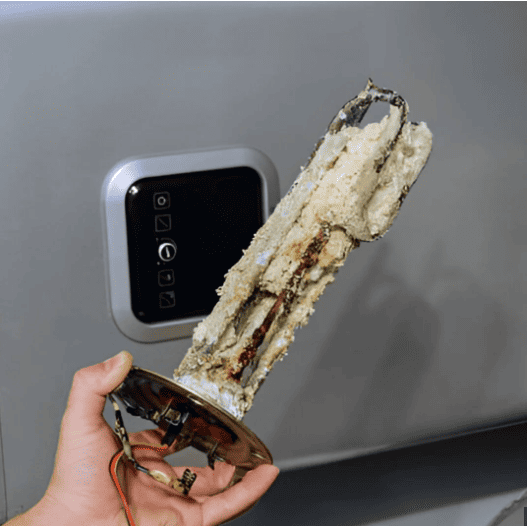
Denver’s water supply draws from mountain snowmelt — which sounds pristine, but by the time it reaches your tap, it carries significant mineral content. Denver Water reports water hardness levels ranging from 3 to 15 grains per gallon depending on the season and the source, with averages often exceeding 8 grains per gallon — classified as “hard” to “very hard.”
Hard water is the single biggest appliance threat Denver homeowners face. Every appliance that uses water — dishwasher, washing machine, refrigerator ice maker, water heater, coffee maker — is continuously exposed to mineral deposits that accumulate on heating elements, valves, sensors, and seals.
The technical term is limescale. The practical result is reduced efficiency, failed heating elements, clogged inlet valves, and shorter appliance lifespans — often by years.
What it affects most: Dishwashers, washing machines, refrigerator ice makers, water heaters, and any appliance with a water inlet valve.
Extremely Dry Air

Dry air affects rubber seals and gaskets, which can crack and lose flexibility faster than in humid climates. It affects electronic components, which accumulate static charge more readily in dry conditions. And it affects filtration — dry air carries more particulate matter, which means filters in refrigerators, HVAC systems, and dryers clog faster than their rated intervals suggest.
What it affects most: Door seals on refrigerators and freezers, dryer lint systems, HVAC air filters, and any appliance with rubber components.
Temperature Extremes and Rapid Swings
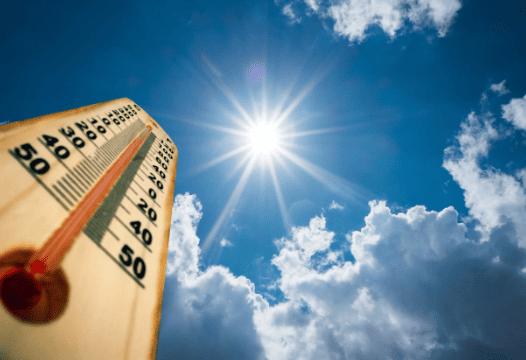
For outdoor and semi-outdoor appliances — including HVAC condensers, dryer vents, and refrigerators in garages — these extremes create stress that accelerates mechanical wear. Thermal expansion and contraction of components over years of extreme cycling weakens connections, seals, and fittings that would last longer in moderate climates.
What it affects most: HVAC systems (both heating and cooling), refrigerators and freezers in garages, outdoor-adjacent appliance venting.
Altitude
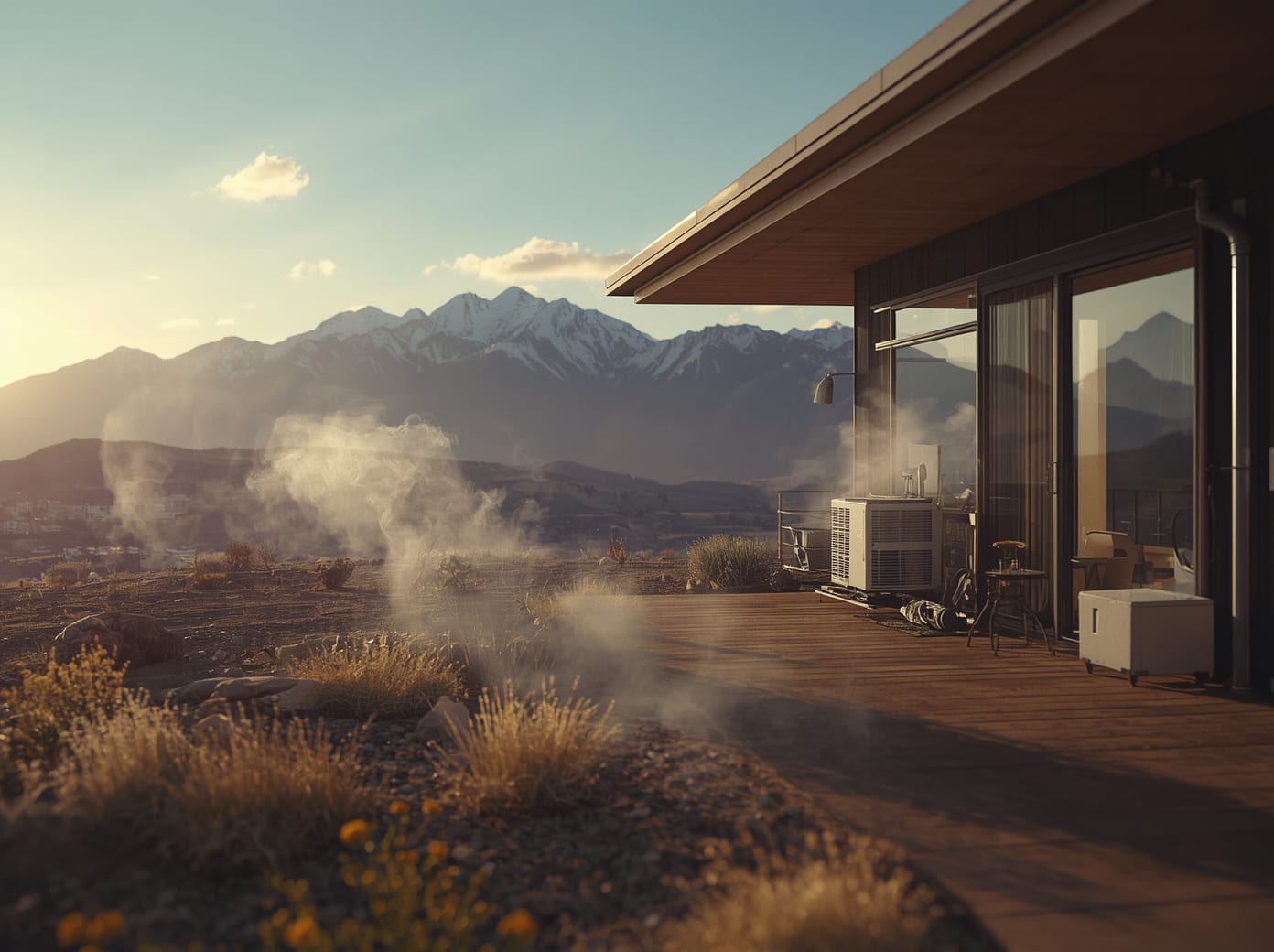
Gas appliances — furnaces, gas dryers, gas ranges, and gas water heaters — need to be calibrated for altitude. Gas combustion requires a specific air-to-fuel ratio, and at Denver’s altitude, uncalibrated burners run rich (too much gas relative to available oxygen), which reduces efficiency, increases carbon monoxide production, and deposits soot on burner components.
Refrigerant systems are also affected by altitude — pressure-temperature relationships shift, which means refrigerant charge that’s correct at sea level reads differently on gauges in Denver. This matters for HVAC repair and refrigerator servicing.
What it affects most: Gas furnaces, gas dryers, gas ranges, and any refrigerant-based cooling system.
Appliance-by-Appliance Maintenance Guide for Denver
Refrigerator

What Colorado’s climate does to it:
Hard water attacks the ice maker water inlet valve and the water dispenser line continuously.
Dry air affects rubber seals.
Garage placement introduces temperature instability.What to do:
- Replace the water filter every 6 months
- Clean the condenser coils every 6 to 12 months
- Inspect door gaskets annually
- Use a garage refrigerator kit if needed
- Descale ice maker water line annually
When maintenance isn’t enough:
Dishwasher
What Colorado’s climate does to it:
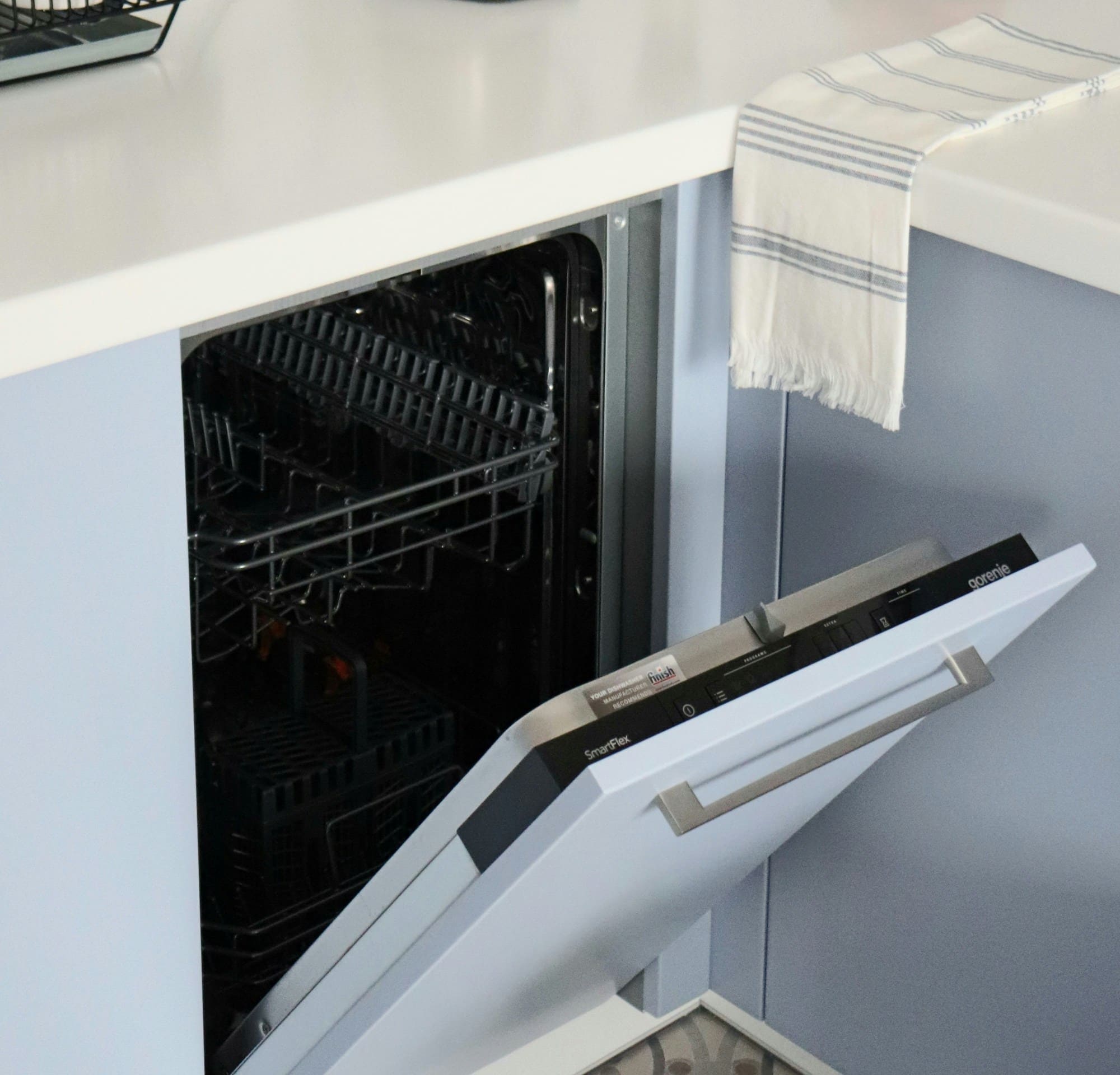
The dishwasher is arguably the appliance most punished by Denver’s hard water. Every wash cycle deposits minerals on the heating element, the spray arms, the interior tub, and the door gasket. Over time, the heating element becomes coated — reducing its ability to heat water effectively and eventually failing. Spray arm nozzles clog with mineral deposits, reducing wash performance. The door gasket dries and cracks.
Denver dishwasher owners often notice white film on glassware and dishes — not a cleaning problem, but a water hardness problem. It’s also a maintenance signal.
What to do:
- Run a dishwasher cleaning cycle monthly using a commercial dishwasher cleaner (Affresh, Finish, or similar) specifically formulated for mineral deposits. This is not optional in Denver — it’s essential.
- Use a rinse aid consistently. In hard water conditions, rinse aid reduces mineral spotting and helps the heating element do its job without excessive mineral coating.
- Clean the filter (located at the bottom of the dishwasher tub) monthly. Denver’s dry, dusty environment means food particles and debris accumulate faster.
- Inspect and clean the spray arms quarterly — remove them and clear any clogged nozzles with a toothpick.
- Consider a whole-home water softener if you’re running a dishwasher, ice maker, washing machine, and water heater on hard water simultaneously. The payback in appliance lifespan is significant.
How often: Cleaning cycle monthly. Filter monthly. Spray arms quarterly.
Washing Machine
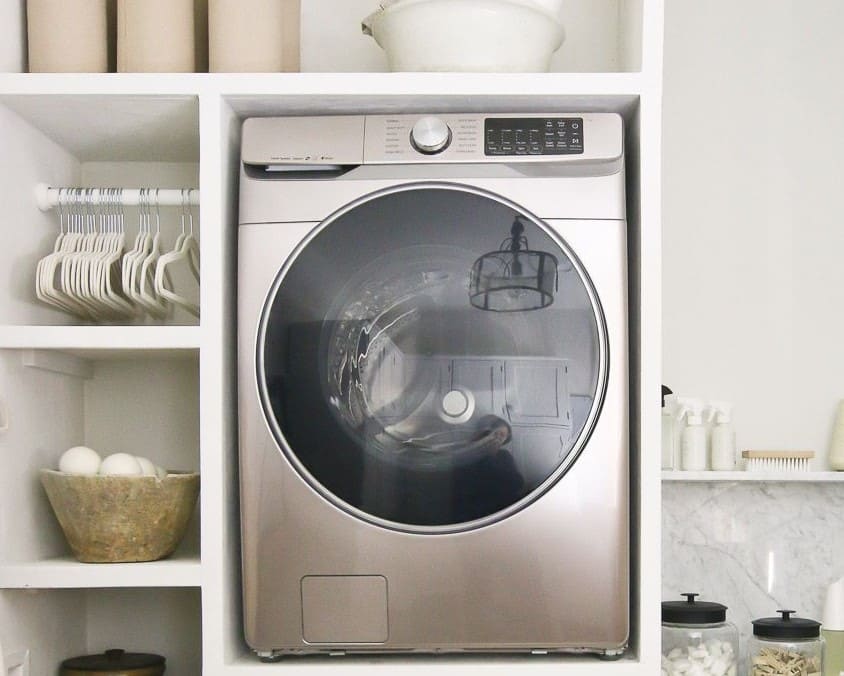
Hard water reduces laundry detergent effectiveness — minerals interfere with surfactant action — which leads homeowners to use more detergent than necessary, creating a buildup cycle inside the drum and on the inlet valve screens. The water inlet valve screens accumulate mineral deposits over time, restricting water flow and eventually causing fill errors.
Front-load washing machines are particularly susceptible to door boot seal deterioration in Denver’s dry air. The large rubber gasket around the door opening dries, cracks, and tears — creating both a leak source and a mold accumulation point.
What to do:
- Run a cleaning cycle monthly using a washing machine cleaner tablet or white vinegar. This addresses mineral buildup and bacterial growth in the drum and detergent drawer.
- Clean the inlet valve screens annually. Turn off the water supply, disconnect the inlet hoses, and clean the small mesh screens inside the valve ports. This is a 15-minute job that prevents a $200 valve replacement.
- Use the correct detergent amount for hard water — or switch to a hard water formulation. Many detergent brands have hard water versions.
- For front-load machines: wipe the door boot seal dry after every wash, leave the door ajar between uses, and deep-clean the gasket monthly. Denver’s low humidity doesn’t prevent mold in a wet, sealed environment.
- Check hose connections annually for corrosion or slow seeping — hard water accelerates mineral buildup at connection points.
How often: Drum cleaning monthly. Inlet screen cleaning annually. Gasket cleaning monthly (front-load).
When maintenance isn’t enough:
Dryer
What Colorado’s climate does to it:
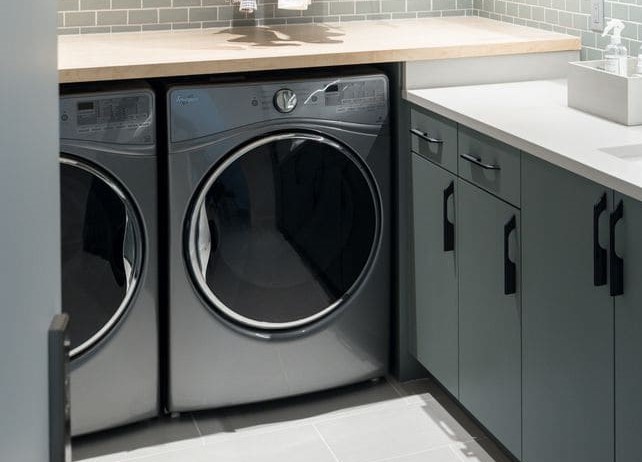
Denver’s dry climate sounds like good news for a dryer — and it is, partly. Low ambient humidity means clothes carry less moisture into the dryer, which can reduce drying time. However, dry air and Denver’s dusty conditions mean the lint trap, the exhaust duct, and the internal lint pathways accumulate debris faster than in humid climates.
A clogged dryer vent is the leading cause of house fires in the United States — and in Denver’s dry environment, lint is more flammable and accumulates more rapidly. This is not a theoretical risk.
Gas dryers in Denver also require altitude-appropriate burner calibration. An uncalibrated gas dryer runs rich, deposits soot on the burner components, and operates less efficiently.
What to do:
- Clean the lint trap after every single load. This is non-negotiable — not just for efficiency but for fire safety.
- Clean the dryer exhaust duct and exterior vent cap annually, or more frequently if you run the dryer heavily. In Denver’s conditions, bi-annual cleaning is reasonable for a heavily used dryer. A clogged duct also causes the thermal fuse to trip — one of the most common dryer repair calls.
- Inspect the exterior vent cap to ensure it opens freely when the dryer runs and closes completely when it doesn’t. Denver’s wildlife — birds especially — nest in exterior dryer vents. A blocked vent is both a performance problem and a fire risk.
- If you have a gas dryer and it hasn’t been serviced since moving to Denver, a burner calibration check is worthwhile — particularly if drying times seem longer than they should be.
How often: Lint trap after every load. Duct cleaning annually (bi-annually for heavy use).
HVAC System
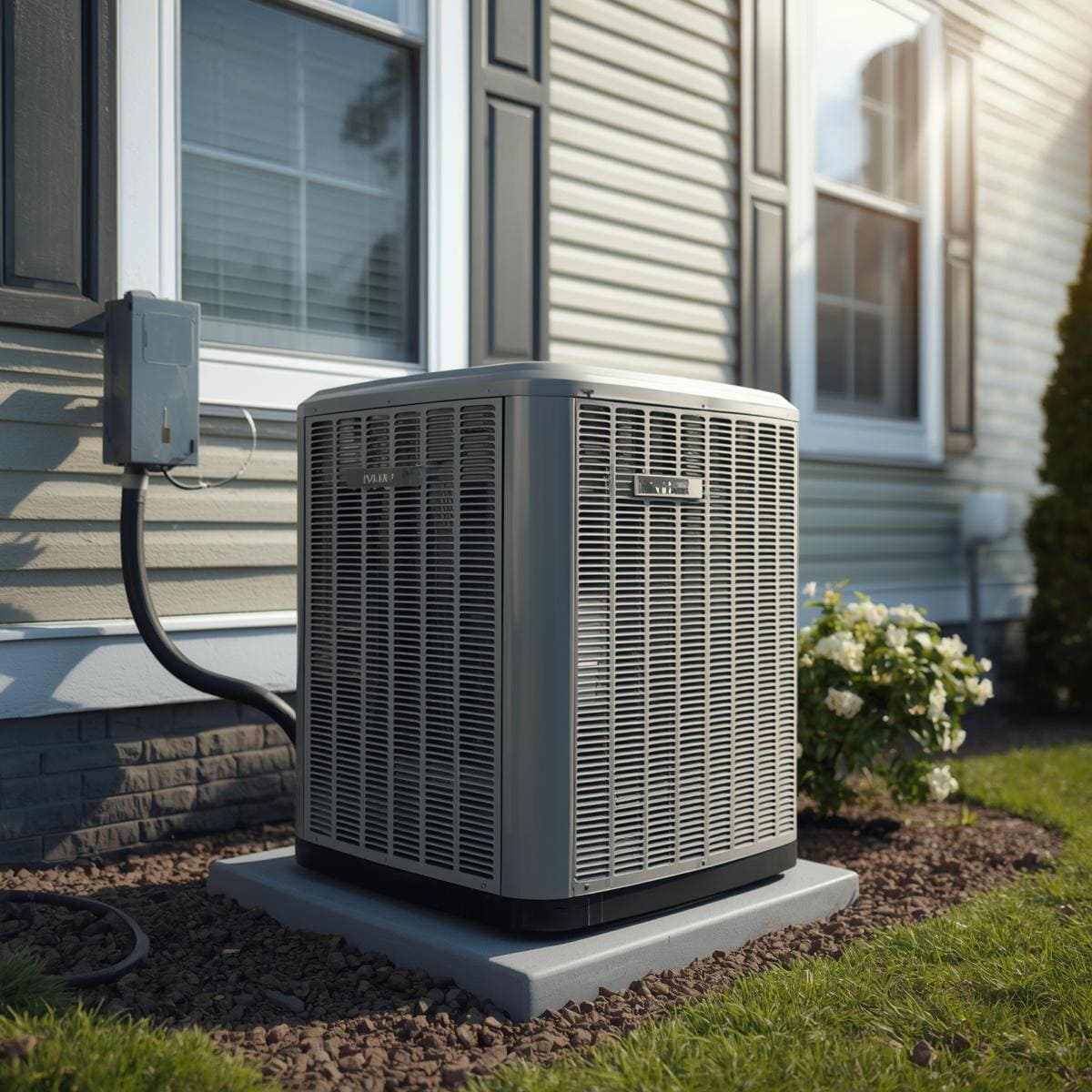
Denver’s HVAC system works harder than systems in moderate climates — running cooling for several months in summer, then heating for several months in winter, with almost no neutral season in between. The altitude affects gas furnace combustion efficiency. The dry air accelerates filter loading — Denver filters typically need replacement every 1 to 2 months rather than the 3-month standard recommendation.
Outdoor AC condenser units in Denver face intense UV exposure, temperature extremes, and debris from dry, windy conditions. Condenser coils accumulate dust and debris faster in Denver’s dry climate, reducing heat transfer and forcing the compressor to work harder.
What to do:
- Replace air filters every 1 to 2 months in Denver — not every 3. During wildfire smoke events, replace them immediately after the event passes regardless of installation date.
- Schedule professional HVAC maintenance twice a year: spring (before cooling season) and fall (before heating season). In Denver’s climate, this is especially important because both systems — heating and cooling — are used heavily.
- Clean the outdoor condenser coils annually. A gentle rinse with a garden hose (with the unit powered off) removes debris buildup. This single maintenance step can recover 5–15% of lost cooling efficiency.
- Check that the condensate drain line is clear before each cooling season. Denver’s dry conditions can cause the drain line to dry out and crack or collect debris during the off-season.
- Have gas furnace burners inspected and adjusted for altitude if the system hasn’t been serviced recently. An altitude-calibrated furnace burns cleaner, runs more efficiently, and poses less CO risk.
How often: Filter every 1–2 months. Professional tune-up twice yearly. Condenser coil rinse annually.
Professional HVAC maintenance here:
Freezer
What Colorado’s climate does to it:
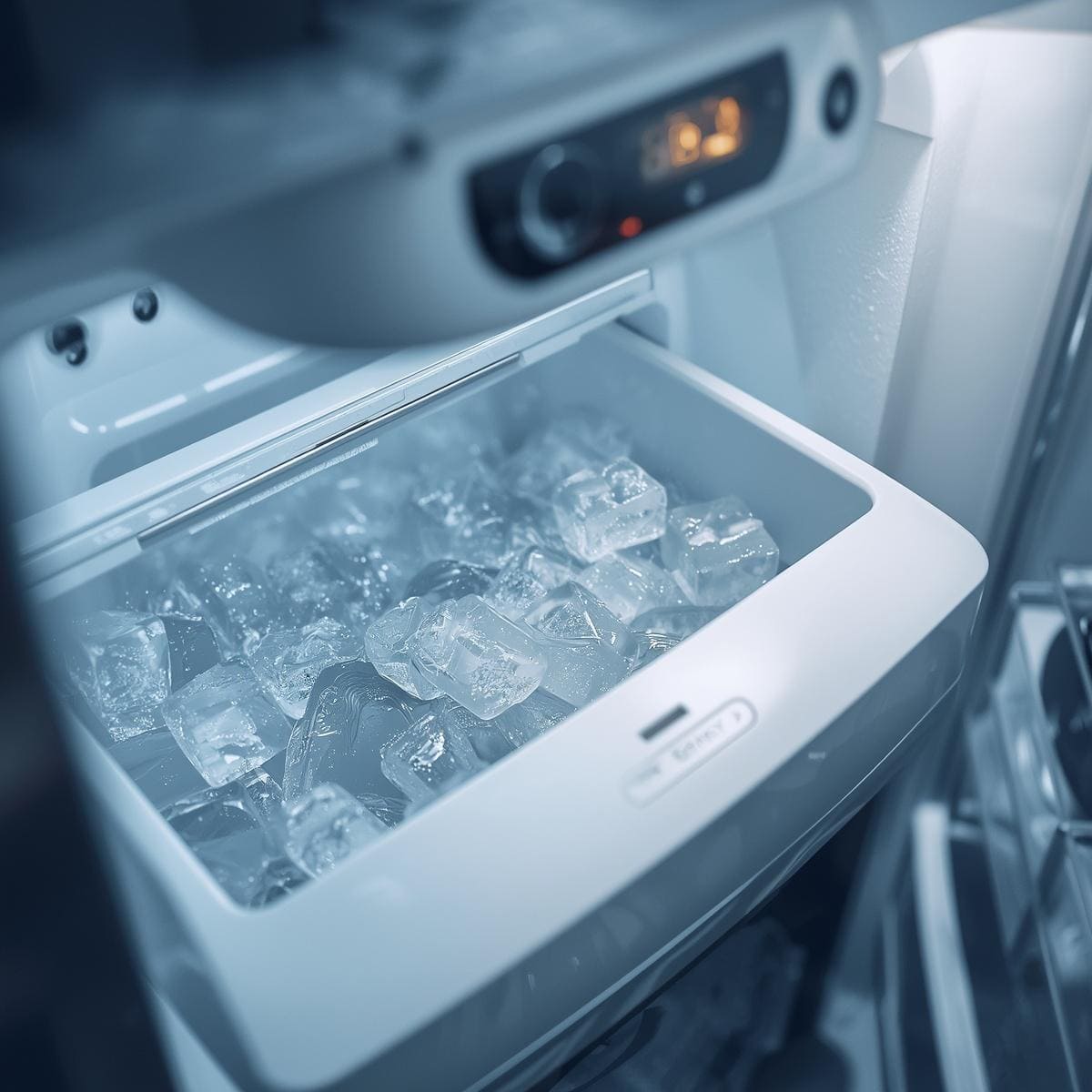
Similar to refrigerators, Denver freezers face hard water challenges in the ice maker (if present) and gasket deterioration from dry air. Chest freezers stored in garages face the same ambient temperature challenge as garage refrigerators — extreme cold can cause the thermostat to stop cycling, leading to temperature fluctuations.
What to do:
- Inspect and clean door or lid gaskets annually. Freezer gaskets are under more stress than refrigerator gaskets — the temperature differential across the seal is greater, and dry conditions accelerate cracking.
- Defrost manual-defrost chest freezers before frost accumulates more than a half-inch thick. Excess frost acts as insulation on the evaporator coil and forces the compressor to overwork.
- Clean condenser coils annually on upright freezers.
- If the freezer is in a garage, monitor performance during Denver’s coldest months — particularly for ice maker-equipped units.
How often: Filter every 1–2 months. Professional tune-up twice yearly. Condenser coil rinse annually.
A Seasonal Maintenance Calendar for Denver Homeowners
Denver’s distinct seasons create a natural maintenance rhythm. Here’s a practical calendar.
Spring
(March–May)
✔ Schedule HVAC cooling system tune-up before summer
✔ Clean outdoor AC condenser coils
✔ Check condensate drain line
✔ Replace refrigerator water filter
✔ Clean washing machine inlet valve screens
✔ Inspect dryer vent and exterior cap
✔ Replace HVAC air filter
Summer
(June–August)
✔ Replace HVAC filter monthly during wildfire smoke season
✔ Check refrigerator and freezer door gaskets — heat and UV increase deterioration rate
✔ Run dishwasher cleaning cycle monthly
✔ Monitor AC performance — a system that’s struggling in June will fail in July
Fall
(September–November)
✔ Schedule HVAC heating system tune-up before winter
✔ Have gas furnace burners inspected — combustion efficiency matters most in heating season
✔ Check dryer vent before increased winter use
✔ Inspect all door gaskets before cold season
✔ Deep-clean washing machine drum and gasket
Winter
(December–February)
✔ Replace HVAC filter every 4–6 weeks during heavy heating use
✔ Monitor garage refrigerators and freezers for temperature performance in extreme cold
✔ Run dishwasher and washing machine cleaning cycles monthly
✔ Check that dryer exhaust vent isn’t blocked by snow or ice accumulation
When Maintenance Isn’t Enough
Consistent maintenance dramatically reduces the frequency and severity of appliance failures. But it doesn’t eliminate them.
When your appliance develops a fault that maintenance can’t resolve — a failed component, a refrigerant leak, a worn motor — the right move is a professional diagnosis before the problem compounds.
The most expensive appliance repairs in Denver are almost always repairs that were deferred. A $150 inlet valve replacement that waited six months often becomes a $400 repair that includes water damage. A refrigerant leak that was “monitored” for a season becomes a compressor replacement.
Early repair is almost always the less expensive option.
Final Thoughts
The homeowners who get the longest life out of their appliances in Denver are the ones who adapt their maintenance habits to Colorado’s specific conditions — not the ones who follow the manufacturer’s general recommendations written for a climate that doesn’t exist here.
Follow the schedule above, and most of your major appliances will outlast their expected lifespan. Skip it, and Colorado’s climate will find the weak point — usually at the worst possible moment.
Need Appliance Maintenance?
We Can Help!
If an appliance is past the point of maintenance, call us.